Comfort cooling
Office, hotel, retail and institutional systems require stable chilled water, low noise and controls that follow occupancy without wasting energy.
Chiller Installation Benoni for homes, restaurants, retailers, offices and cold-chain businesses in Benoni. We provide chiller sizing, hydraulic design, controls and commissioning, with practical fault assessment, clear repair or installation recommendations, and direct booking by phone or WhatsApp. Send the equipment type, symptoms, model details and photos on WhatsApp for faster preparation before attendance.
Chiller Installation Benoni covers the chiller, water circuit, heat rejection, controls, electrical supply and long-term service access as one coordinated project.
For projects in Benoni, this part of the design is reviewed against the conditions common around Rynfield, Farrarmere and Northmead. Sites serving offices, retail sites, guest properties and smaller commercial facilities often require careful planning for freestanding sites, varied utilities and outdoor condenser exposure, so the installation sequence and equipment selection must be documented before work begins. Commissioning is more than switching the chiller on. We confirm system flushing, water flow, pump rotation, valve positions, sensor calibration, refrigerant condition, electrical readings and control interlocks. The machine is observed through loading and unloading stages while entering and leaving temperatures, delta-T, pressures, current and alarm behaviour are recorded. Set points and schedules are matched to the actual application. Any building-management integration is tested from both ends. The final handover includes baseline readings so later maintenance teams can distinguish normal performance from gradual deterioration.
For projects in Benoni, this part of the design is reviewed against the conditions common around Rynfield, Farrarmere and Northmead. Sites serving offices, retail sites, guest properties and smaller commercial facilities often require careful planning for freestanding sites, varied utilities and outdoor condenser exposure, so the installation sequence and equipment selection must be documented before work begins. A professional handover should leave the owner with equipment data, commissioning results, control settings, warranties, service clearances and a practical maintenance schedule. Staff are shown normal start-up and shutdown procedures, alarm reporting, daily visual checks and what not to reset repeatedly. Filters, strainers, condenser cleaning, water treatment and leak inspection intervals are explained. For critical sites, we recommend keeping contact details, asset numbers and shutdown procedures near the plant. Good documentation reduces future diagnostic time and helps preserve warranty conditions.
For projects in Benoni, this part of the design is reviewed against the conditions common around Rynfield, Farrarmere and Northmead. Sites serving offices, retail sites, guest properties and smaller commercial facilities often require careful planning for freestanding sites, varied utilities and outdoor condenser exposure, so the installation sequence and equipment selection must be documented before work begins. Purchase price is only one part of chiller cost. We consider expected operating hours, part-load efficiency, condenser conditions, pumping energy, control strategy and maintenance access. Variable-speed compressors, fans and pumps may reduce energy use where loads vary, but the controls must be properly commissioned. Oversizing can reduce efficiency, while poor water balancing can cause low delta-T and unnecessary flow. A maintainable layout, clean heat exchangers and recorded performance data often save more over the equipment life than choosing a machine solely on its headline efficiency rating.
For projects in Benoni, this part of the design is reviewed against the conditions common around Rynfield, Farrarmere and Northmead. Sites serving offices, retail sites, guest properties and smaller commercial facilities often require careful planning for freestanding sites, varied utilities and outdoor condenser exposure, so the installation sequence and equipment selection must be documented before work begins. For replacement projects, we inspect why the previous system underperformed before repeating the same arrangement. Building use may have changed, pipework may be restricted, or heat rejection may be inadequate. Where expansion is likely, we consider spare electrical capacity, plant space, pipe headers and control architecture. Modular chillers can provide staged growth and redundancy, while a single larger unit may reduce complexity in other situations. The design should support realistic future plans without paying immediately for unused capacity that causes poor low-load control.
For projects in Benoni, this part of the design is reviewed against the conditions common around Rynfield, Farrarmere and Northmead. Sites serving offices, retail sites, guest properties and smaller commercial facilities often require careful planning for freestanding sites, varied utilities and outdoor condenser exposure, so the installation sequence and equipment selection must be documented before work begins. A dependable chiller installation begins with a written operating brief rather than selecting equipment from floor area alone. We confirm the required leaving-water temperature, return-water temperature, expected peak load, hours of operation, redundancy expectations and whether the plant supports comfort cooling, food production, medical equipment or an industrial process. Existing drawings, utility records and alarm history are useful, but site measurements remain essential. The survey also records plant-room access, roof loading, lifting routes, noise-sensitive boundaries, drainage, electrical capacity and future expansion. These details determine whether an air-cooled, water-cooled, modular or packaged chiller arrangement is practical.
For projects in Benoni, this part of the design is reviewed against the conditions common around Rynfield, Farrarmere and Northmead. Sites serving offices, retail sites, guest properties and smaller commercial facilities often require careful planning for freestanding sites, varied utilities and outdoor condenser exposure, so the installation sequence and equipment selection must be documented before work begins. Correct capacity protects both comfort and equipment life. An undersized chiller may run continuously and fail during peak weather or process demand, while an oversized unit can short-cycle, control poorly and waste energy. We assess sensible and latent building loads, process heat, occupancy, equipment gains, ventilation, operating schedules and diversity. For replacement projects, historical performance is compared with the actual current use of the building. A suitable design allowance is applied without turning uncertainty into excessive oversizing. Where continuity is critical, staged capacity or duty-and-standby arrangements may be more dependable than one large machine.
For projects in Benoni, this part of the design is reviewed against the conditions common around Rynfield, Farrarmere and Northmead. Sites serving offices, retail sites, guest properties and smaller commercial facilities often require careful planning for freestanding sites, varied utilities and outdoor condenser exposure, so the installation sequence and equipment selection must be documented before work begins. Air-cooled chillers are often simpler to install because they reject heat directly to outdoor air, but they require clear airflow, suitable ambient-temperature ratings and careful acoustic placement. Water-cooled systems can offer efficient performance on larger loads, yet they also require condenser-water pumps, a cooling tower, water treatment, strainers and ongoing tower maintenance. The decision must account for site space, water availability, operating hours, maintenance capability and lifecycle cost. We explain the trade-offs so the selected system fits the property rather than forcing the property to accommodate an unsuitable machine.
For projects in Benoni, this part of the design is reviewed against the conditions common around Rynfield, Farrarmere and Northmead. Sites serving offices, retail sites, guest properties and smaller commercial facilities often require careful planning for freestanding sites, varied utilities and outdoor condenser exposure, so the installation sequence and equipment selection must be documented before work begins. The chiller position affects service access, noise, heat rejection and future replacement. We verify structural support, weather exposure, vibration isolation, edge protection, safe technician access and sufficient clearance around panels, coils, compressors and fans. Rooftop installations require lifting plans and confirmation that discharged hot air cannot recirculate into the condenser. Basement plant rooms need ventilation, drainage and a practical route for removing major components. External ground-level installations require secure bases, impact protection and control of leaves, dust and vehicle exposure. The final layout should permit normal maintenance without dismantling surrounding building work.
For projects in Benoni, this part of the design is reviewed against the conditions common around Rynfield, Farrarmere and Northmead. Sites serving offices, retail sites, guest properties and smaller commercial facilities often require careful planning for freestanding sites, varied utilities and outdoor condenser exposure, so the installation sequence and equipment selection must be documented before work begins. Pipe sizing, pump selection and hydraulic arrangement determine whether the chiller can transfer its rated capacity. We plan flow rates, pressure drop, pump head, balancing, isolation valves, strainers, flexible connectors, air vents, drains and expansion provision. Primary-only, primary-secondary and variable-flow arrangements each require compatible controls. Poorly placed bypasses or uncontrolled valves can cause low delta-T, unstable flow and repeated alarms. Insulation must remain continuous and vapour sealed to prevent condensation damage. Pipe supports should protect equipment connections from strain and allow thermal movement without transmitting vibration through the building.
For projects in Benoni, this part of the design is reviewed against the conditions common around Rynfield, Farrarmere and Northmead. Sites serving offices, retail sites, guest properties and smaller commercial facilities often require careful planning for freestanding sites, varied utilities and outdoor condenser exposure, so the installation sequence and equipment selection must be documented before work begins. Some systems need additional water volume to prevent rapid temperature changes and compressor cycling. A correctly sized buffer tank can stabilise small or variable loads, but it cannot compensate for incorrect controls or poor flow. Expansion vessels, pressurisation units and safety valves must suit system volume and temperature range. We also consider water quality, corrosion control, glycol concentration and biological risk. Process chillers may require specific fluid chemistry, while comfort systems need clean strainers and properly flushed circuits. Commissioning includes confirming that water treatment and freeze protection match the design conditions.
For projects in Benoni, this part of the design is reviewed against the conditions common around Rynfield, Farrarmere and Northmead. Sites serving offices, retail sites, guest properties and smaller commercial facilities often require careful planning for freestanding sites, varied utilities and outdoor condenser exposure, so the installation sequence and equipment selection must be documented before work begins. Before installation, we verify supply voltage, phase capacity, cable routes, breaker ratings, isolator positions, earthing and fault-level requirements. Chillers can have significant starting current, and larger installations may require soft starters, variable-speed drives or staged compressors. Protection settings must match manufacturer data and the building electrical design. Controls are coordinated with pumps, valves, flow switches, building-management systems and remote alarms. Emergency stops, phase protection and interlocks are tested rather than assumed. A machine should not be energised until water flow, isolation and all safety circuits are confirmed.
For projects in Benoni, this part of the design is reviewed against the conditions common around Rynfield, Farrarmere and Northmead. Sites serving offices, retail sites, guest properties and smaller commercial facilities often require careful planning for freestanding sites, varied utilities and outdoor condenser exposure, so the installation sequence and equipment selection must be documented before work begins. Air-cooled condenser performance depends on unrestricted intake and discharge air. Screens, walls, canopies and nearby machines can create recirculation that raises condensing pressure and reduces capacity. We assess separation distances, prevailing wind, hot roof surfaces and maintenance access. Noise is also considered during equipment selection and positioning, especially near hotels, hospitals, offices and residential boundaries. Low-noise fans, acoustic screens or alternative plant positions may be required, but any acoustic treatment must preserve airflow. Water-cooled projects need equivalent attention to cooling-tower plume, fan noise, drift and maintenance access.
For projects in Benoni, this part of the design is reviewed against the conditions common around Rynfield, Farrarmere and Northmead. Sites serving offices, retail sites, guest properties and smaller commercial facilities often require careful planning for freestanding sites, varied utilities and outdoor condenser exposure, so the installation sequence and equipment selection must be documented before work begins. Drainage is planned for equipment drain points, relief discharge, coil cleaning and plant-room washdown. External pipework and evaporator circuits may need freeze protection depending on the leaving-water temperature and shutdown conditions. Glycol concentration should be measured and documented because excessive glycol reduces heat transfer while insufficient protection risks freezing. Heat tracing or controlled pump operation may be required for exposed lines. Condensation control is equally important: chilled-water valves, flanges and supports must be insulated and vapour sealed so moisture does not damage ceilings, finishes or electrical equipment.
For projects in Benoni, this part of the design is reviewed against the conditions common around Rynfield, Farrarmere and Northmead. Sites serving offices, retail sites, guest properties and smaller commercial facilities often require careful planning for freestanding sites, varied utilities and outdoor condenser exposure, so the installation sequence and equipment selection must be documented before work begins. Chiller projects often involve refrigeration technicians, electricians, plumbers, riggers, builders, controls specialists and the client’s facilities team. We define responsibilities before work starts and confirm shutdown windows, lifting permits, crane positions, delivery dimensions and protection of occupied areas. Large equipment may require road access, temporary barriers or removal of doors and panels. A coordinated sequence reduces the risk of the chiller arriving before its base, electrical supply or pipework is ready. For operational sites, temporary cooling and staged cutovers may be planned to protect critical loads during replacement.
Projects across Rynfield, Farrarmere and Northmead may involve offices, retail sites, guest properties and smaller commercial facilities. We plan around freestanding sites, varied utilities and outdoor condenser exposure and the need for seasonal demand and mixed-use cooling systems.
Office, hotel, retail and institutional systems require stable chilled water, low noise and controls that follow occupancy without wasting energy.
Industrial and specialist applications require verified water temperature, flow, fluid quality and redundancy because cooling loss may interrupt production.
Existing plant is assessed for hydraulic restrictions, electrical limits, heat-rejection problems and access constraints before replacement capacity is confirmed.
See the main Chiller Installation Johannesburg hub. Related services include chiller repairs, commercial refrigeration repairs, cold room installation, walk-in freezer installation and refrigerant leak diagnosis.
We calculate the actual peak load, leaving-water temperature, operating hours, diversity and future plans. Existing machine capacity alone is not enough because the original equipment may have been oversized, undersized or serving a different use.
Yes. The appropriate arrangement depends on capacity, water availability, plant space, ambient conditions, operating hours, maintenance resources and lifecycle cost.
Many replacements can be staged, but the plan depends on isolation valves, pipe arrangement, electrical work and the criticality of the load. Temporary cooling may be required.
Provide the application, required water temperatures, operating schedule, existing equipment data, electrical supply, proposed location, access details and photographs. A site survey is normally required.
We verify chiller operation, water flow, pump sequence, sensors, valves, protection and available building-management interfaces within the agreed project scope.
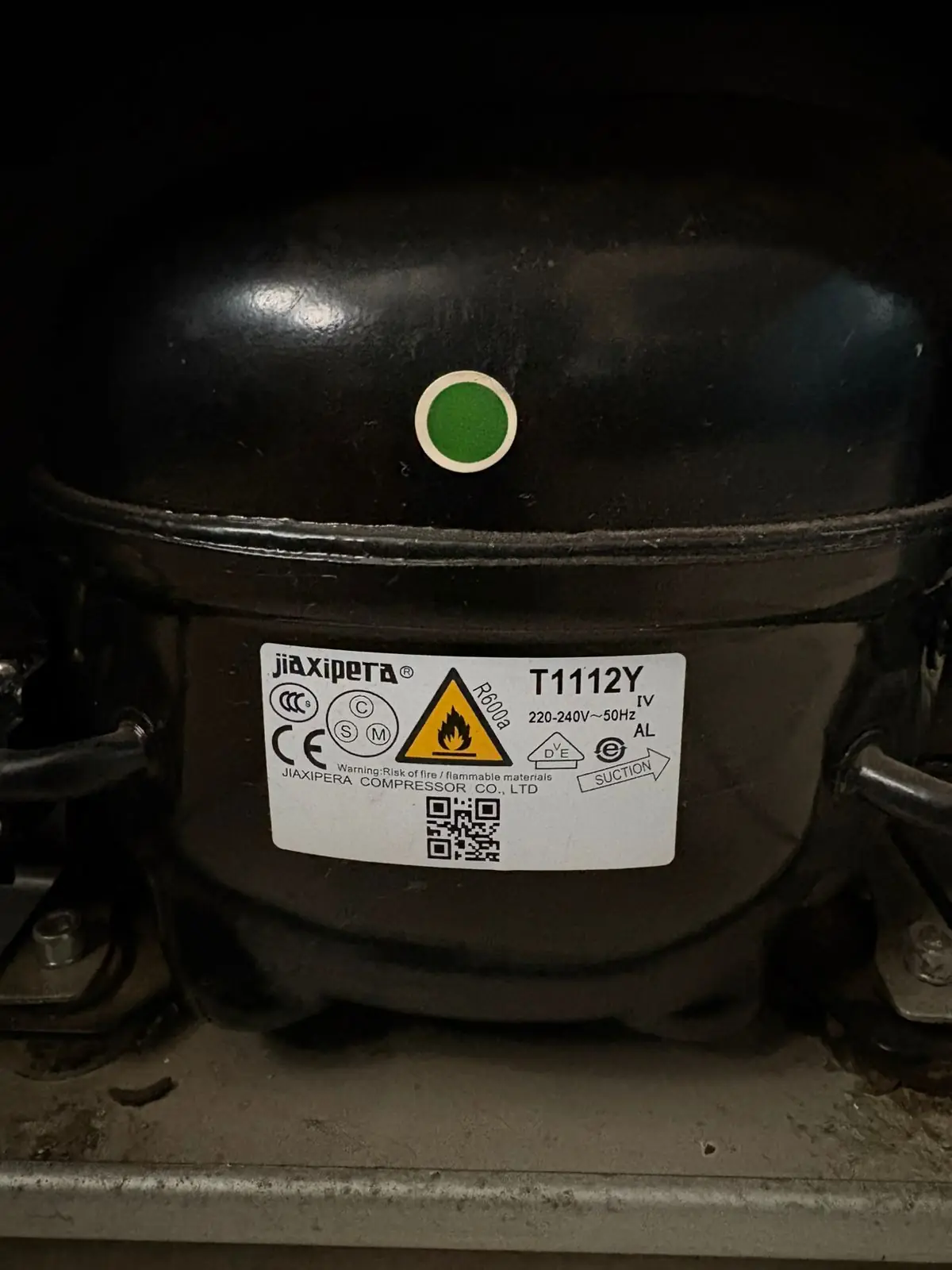
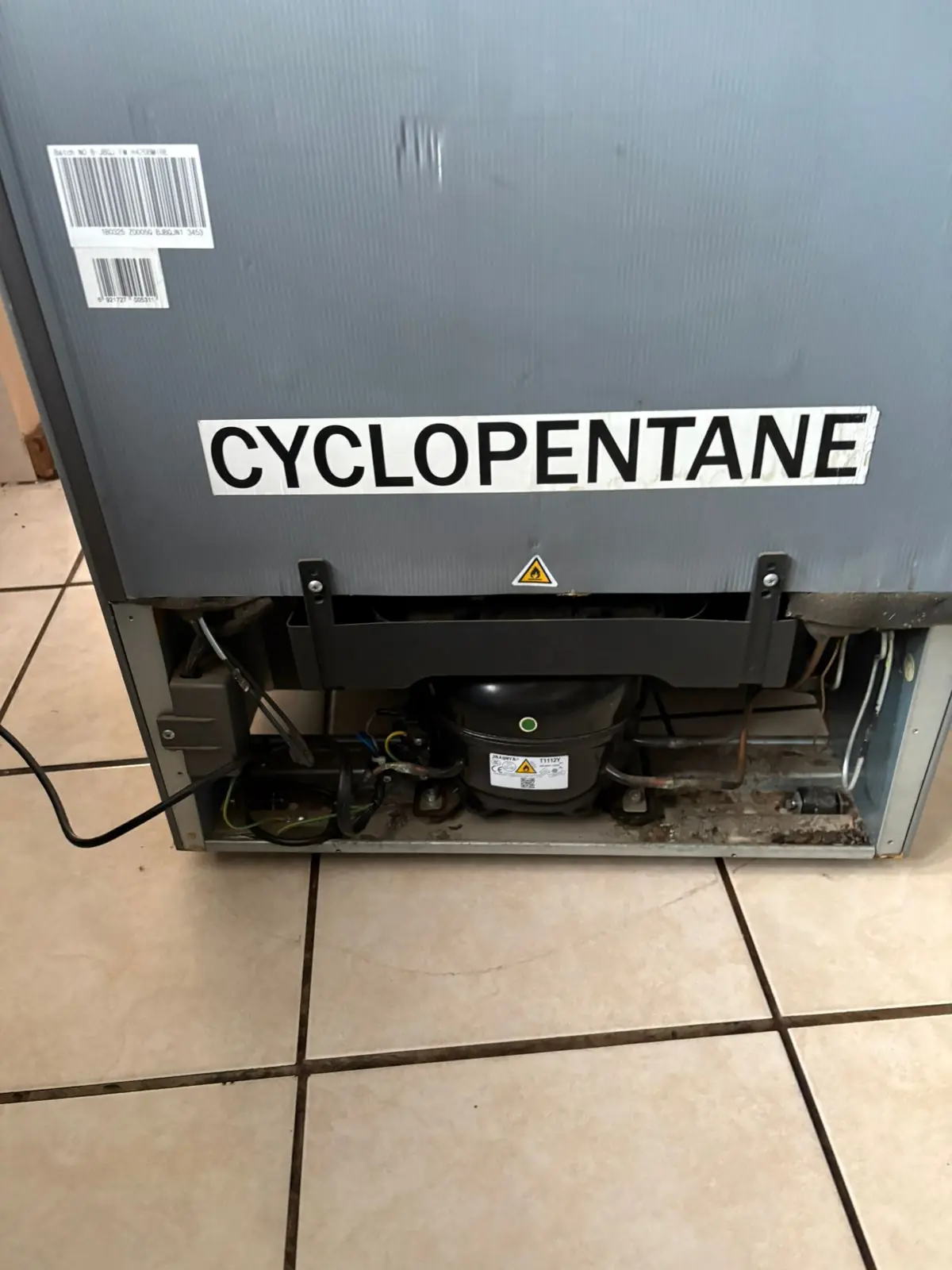


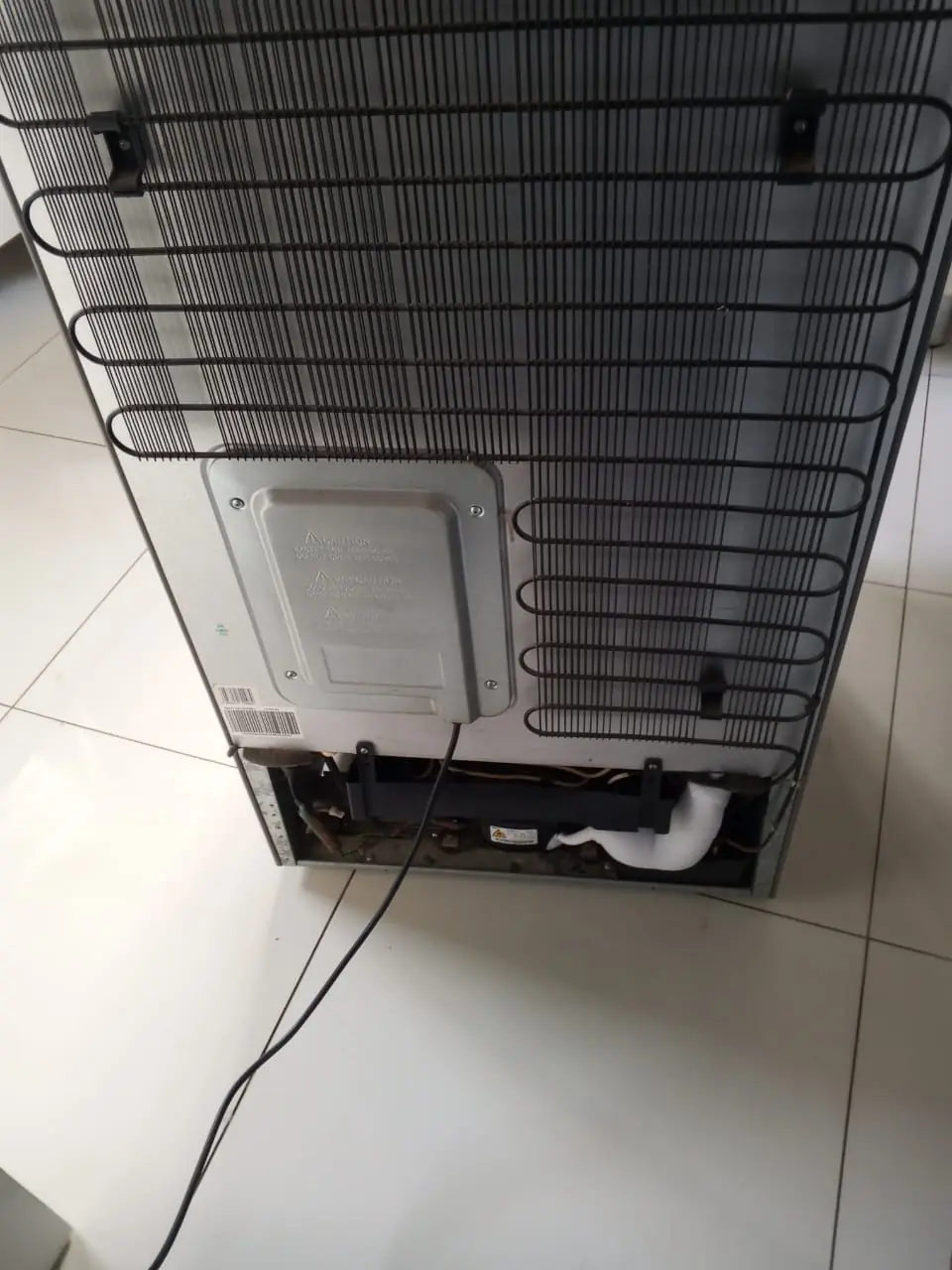

Send the required water temperature, building or process use, operating hours, existing equipment information, proposed plant position and photographs of the site.
Explore related refrigeration services and practical customer guides before you book.
Practical service information, next steps and booking guidance.
Practical service information, next steps and booking guidance.
Practical service information, next steps and booking guidance.
Practical service information, next steps and booking guidance.
Practical service information, next steps and booking guidance.
Practical service information, next steps and booking guidance.