Cold Room Repair based on diagnosis—not guesswork
Cold Room Repairs Germiston is appropriate only when testing supports a measurable refrigeration, airflow, electrical, control or sealed-system fault. Our process separates low refrigerant from airflow, electrical, sensor, fan, defrost and compressor problems.
Direct booking answer: Send the suburb, brand, model and cooling symptoms on WhatsApp. Mention whether the cold room was recently serviced, moved or modified or previously regassed.
When cold-room repair is required
Pressure, temperature and frost-pattern readings are considered together. A low suction condition alone is not enough because restrictions, poor airflow and a weak compressor can imitate a shortage. The technician compares observations with the appliance design and refrigerant specification before recommending sealed-system work. In Germiston, this assessment is applied to canteen fridges, warehouse refrigeration and cold-room systems, with the repair decision based on measurable evidence rather than assumptions.
Systematic fault isolation
Accessible joints, tubing, evaporator areas and service points are inspected for oil residue or physical damage. Depending on the system, testing may involve an electronic detector, controlled pressure, soap solution or isolation of sections. Refrigerant should not be added repeatedly where an unresolved leak remains. In Germiston, this assessment is applied to canteen fridges, warehouse refrigeration and cold-room systems, with the repair decision based on measurable evidence rather than assumptions.
Repair, commissioning and temperature verification
After an approved repair, the system is evacuated to remove air and moisture. Refrigerant is then introduced using the specified type and quantity or an appropriate charging method for the equipment. Moisture, mixed refrigerants, overcharging and undercharging can all reduce performance and shorten compressor life. In Germiston, this assessment is applied to canteen fridges, warehouse refrigeration and cold-room systems, with the repair decision based on measurable evidence rather than assumptions.
Cold-room symptoms we diagnose
Weak cooling, a warm room or unstable storage temperature, partial frost, long compressor cycles or a cabinet that cools only after switching off can point toward several faults. Fan failure, blocked vents, iced coils, damaged seals and inaccurate sensors are checked before sealed-system work is considered. In Germiston, this assessment is applied to canteen fridges, warehouse refrigeration and cold-room systems, with the repair decision based on measurable evidence rather than assumptions.
Why accurate diagnosis protects your business
Refrigerant circulates in a closed circuit and is not normally consumed. If cooling performance is lost, there may be a leak, previous service error or damaged tubing. Adding refrigerant without identifying the cause can provide only short-lived cooling and may contaminate or overload the system. In Germiston, this assessment is applied to canteen fridges, warehouse refrigeration and cold-room systems, with the repair decision based on measurable evidence rather than assumptions.
Deciding whether the leak is repairable
External joints and accessible pipework may be repairable, while leaks hidden inside foamed cabinets or badly corroded evaporators can be uneconomical. We explain the likely durability of the repair so the customer can compare repair cost with replacement value. In Germiston, this assessment is applied to canteen fridges, warehouse refrigeration and cold-room systems, with the repair decision based on measurable evidence rather than assumptions.
Cold-room equipment and control systems
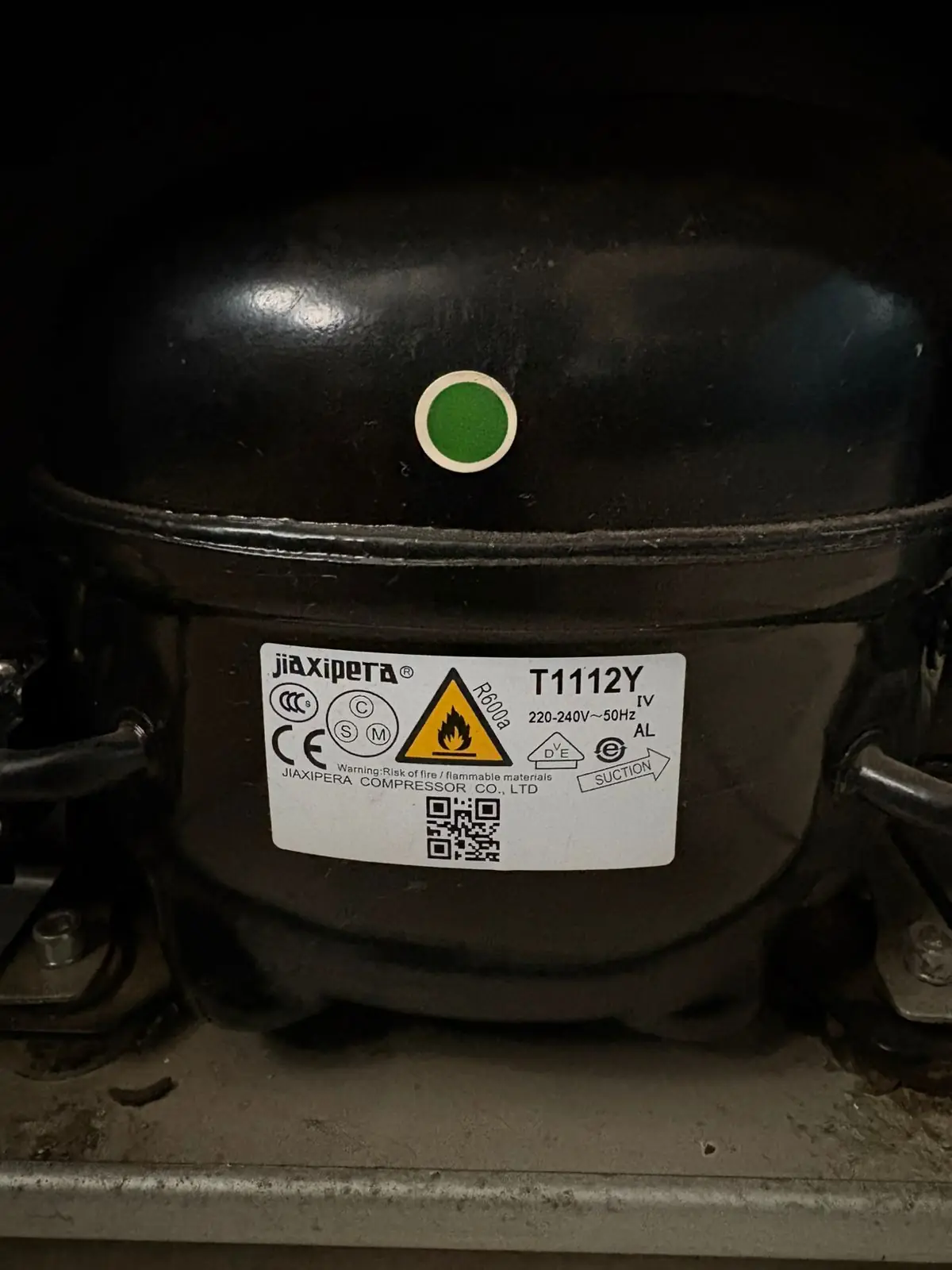
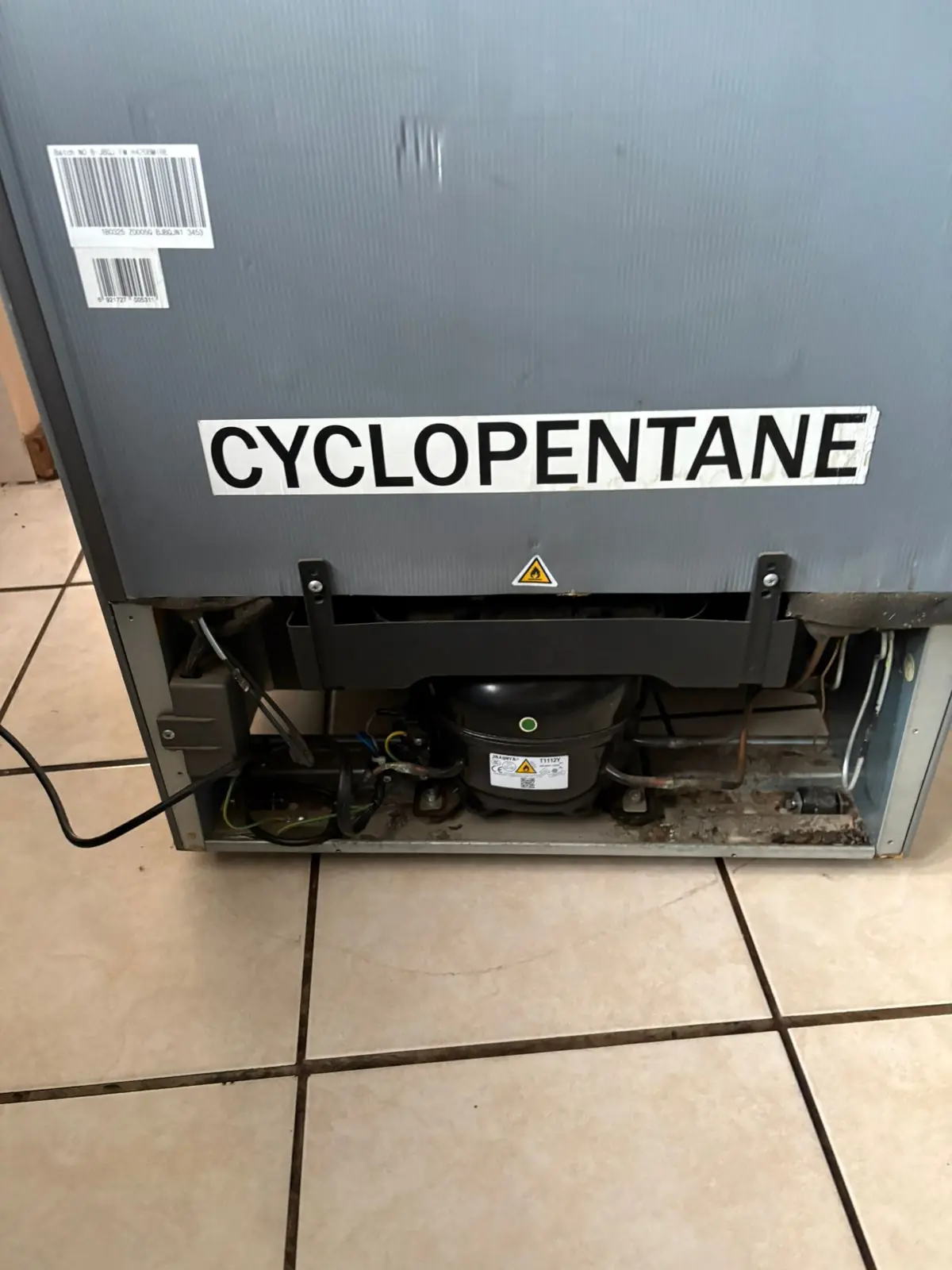
Cold rooms vary widely: capillary systems, expansion valves, remote condensing units, multi-evaporator layouts and electronic controllers do not behave identically. Accurate identification of the refrigerant and charge specification matters, especially where flammable refrigerants are used. In Germiston, this assessment is applied to canteen fridges, warehouse refrigeration and cold-room systems, with the repair decision based on measurable evidence rather than assumptions.
Commercial and hospitality equipment
Display cabinets, prep counters, beverage coolers and under-counter units often operate for long hours and may lose temperature quickly when a fault develops. Diagnosis considers condenser cleanliness, fan operation, door usage, product load and ambient heat before a refrigerant shortage is confirmed. In Germiston, this assessment is applied to canteen fridges, warehouse refrigeration and cold-room systems, with the repair decision based on measurable evidence rather than assumptions.
Protecting food and stock
Keep doors closed, move vulnerable food to reliable cold storage and record the displayed temperature if possible. Businesses should separate high-risk products and follow their food-safety procedures. Repeatedly resetting a tripping or overheating unit can increase damage. In Germiston, this assessment is applied to canteen fridges, warehouse refrigeration and cold-room systems, with the repair decision based on measurable evidence rather than assumptions.