Retail freezers
Chest, island and display units used by supermarkets, butcheries and convenience outlets.
Commercial Freezer Repairs Midrand for homes, restaurants, retailers, offices and cold-chain businesses in Midrand. We provide commercial chest, upright, island and undercounter freezer repairs, with practical fault assessment, clear repair or installation recommendations, and direct booking by phone or WhatsApp. Send the equipment type, symptoms, model details and photos on WhatsApp for faster preparation before attendance.
We begin with measured cabinet and product temperatures, alarm history and the time since the fault started. Frozen products can remain hard while surface temperatures are already drifting, so visual inspection alone is not enough. Keep lids and doors closed, separate questionable stock and follow the business food-safety procedure while repair is arranged.
For an Midrand site, temperature rise and stock-risk triage is reviewed in the context of estate controls, long service routes and expanding storage demand. We document what the freezer is doing, what changed before the fault and how quickly temperature rises. That evidence helps distinguish a genuine refrigeration failure from installation heat, damaged seals, blocked airflow or an operating practice that repeatedly overloads the cabinet.
Chest freezers commonly suffer from thermostat failure, weak compressors, blocked condensers, refrigerant loss, damaged lid seals or poor heat rejection. We inspect the frost pattern and cabinet wall temperature as well as the compressor circuit. A chest freezer that runs continuously may be losing cooling capacity, receiving warm air through the lid or struggling to discharge heat.
In Midrand, distribution sites, caterers, restaurants and convenience outlets often use a mixture of chest, upright, island and undercounter freezers. Chest freezer cooling faults must therefore be assessed against the cabinet design, stock pattern and fast-growing commercial operations and changing freezer capacity. We also account for estate controls, long service routes and expanding storage demand, because the practical cause of a recurring fault is sometimes linked to ventilation, loading or power conditions rather than the failed component alone.
Upright units rely heavily on door closure, fan airflow and defrost control. We check hinges, magnetic gaskets, evaporator fans, return-air paths and controller probes. A freezer that is cold at the bottom but warm at the top may have an airflow fault rather than a gas shortage, and replacing refrigerant would not correct it.
Across Halfway House, Carlswald, Waterfall and Noordwyk, commercial freezer faults can look similar while requiring very different repairs. Our approach to upright commercial freezer diagnosis combines instrument readings with cabinet-specific inspection. This matters where distribution sites, caterers, restaurants and convenience outlets depend on fast-growing commercial operations and changing freezer capacity; a repair is only complete when the freezer pulls down correctly and remains stable under normal door openings and stock loading.
Sliding-glass island freezers need intact runners, seals and anti-condensation systems. Damaged glass alignment allows warm humid air to enter and can create heavy frost around the rim. We inspect the cabinet perimeter, drainage, evaporator airflow and condenser ventilation while protecting the glass and retail finishes during service.
For an Midrand site, glass-top and island freezer repairs is reviewed in the context of estate controls, long service routes and expanding storage demand. We document what the freezer is doing, what changed before the fault and how quickly temperature rises. That evidence helps distinguish a genuine refrigeration failure from installation heat, damaged seals, blocked airflow or an operating practice that repeatedly overloads the cabinet.
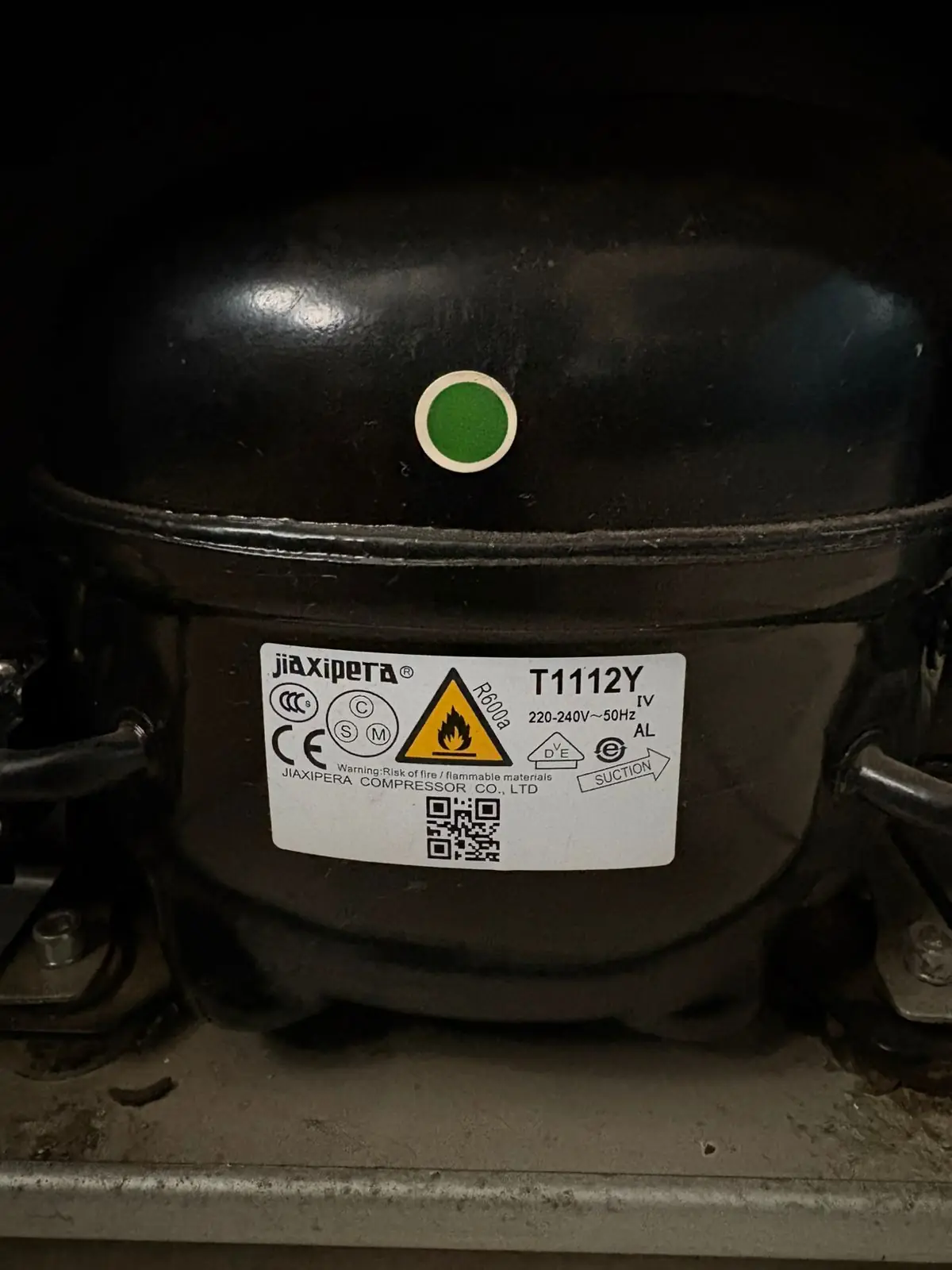
We measure voltage, running current, winding condition, start relay or capacitor performance and overload behaviour. A compressor that clicks and stops may be mechanically tight, overheated, under-voltage or connected to a failed starting component. Testing prevents an inexpensive electrical fault from being mistaken for a compressor replacement.
In Midrand, distribution sites, caterers, restaurants and convenience outlets often use a mixture of chest, upright, island and undercounter freezers. Compressor and starting-system tests must therefore be assessed against the cabinet design, stock pattern and fast-growing commercial operations and changing freezer capacity. We also account for estate controls, long service routes and expanding storage demand, because the practical cause of a recurring fault is sometimes linked to ventilation, loading or power conditions rather than the failed component alone.
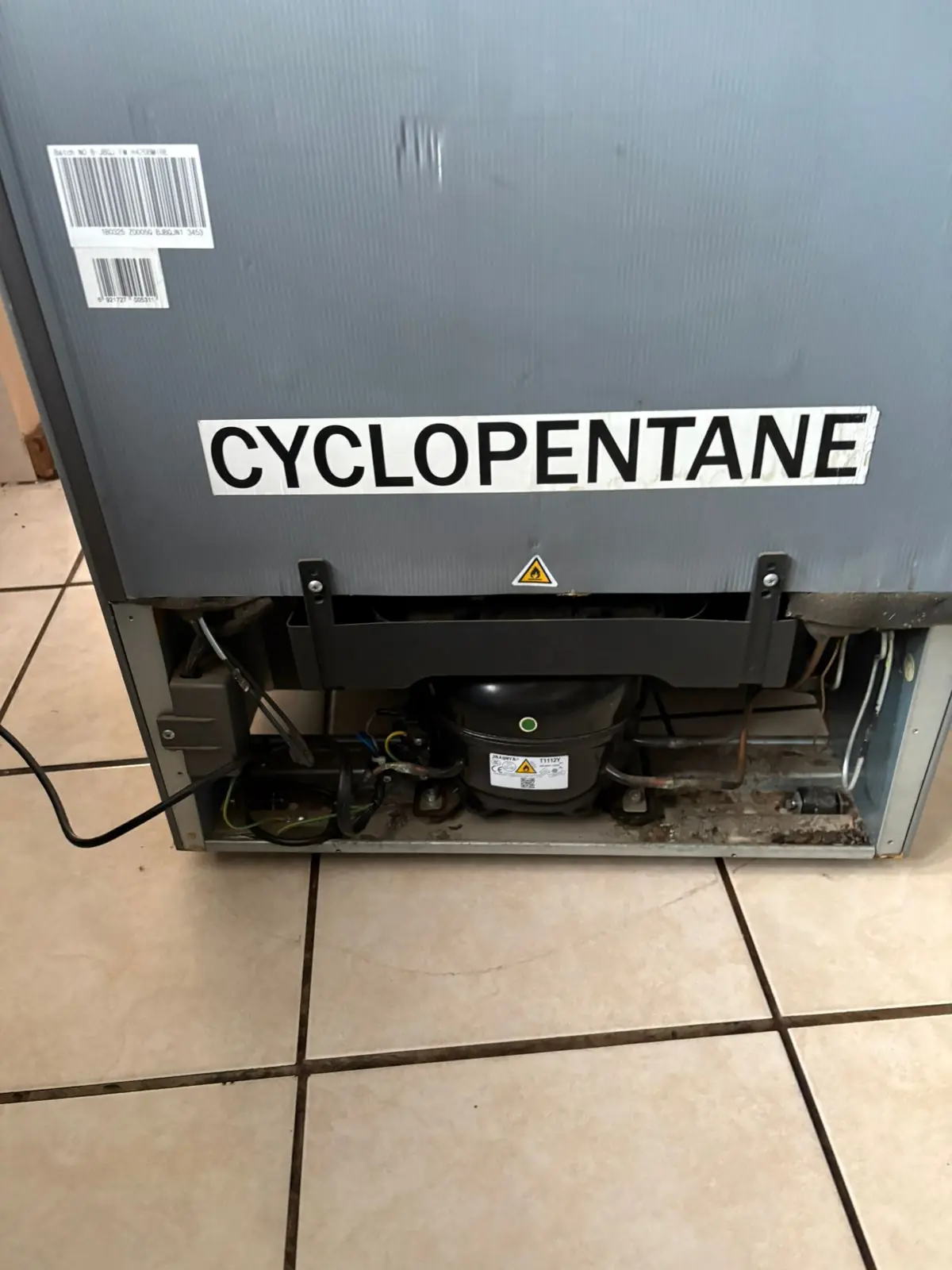
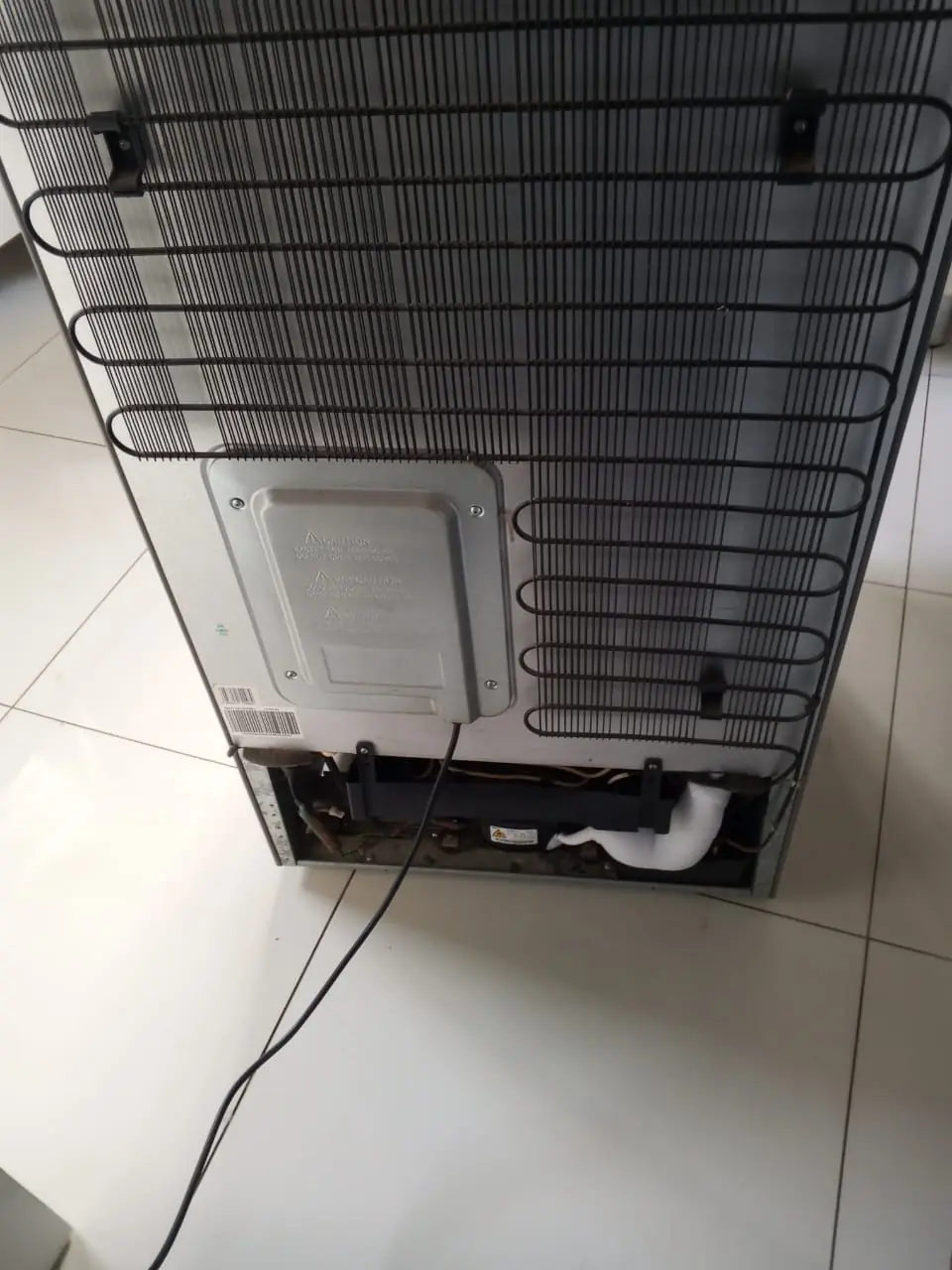
Commercial freezers reject heat through a condenser coil that may be underneath, behind or beside the cabinet. Dust, grease, blocked grilles and tight installation clearances raise head pressure and energy use. Cleaning is combined with fan and airflow checks so hot discharge air does not recirculate straight back into the condenser.
Across Halfway House, Carlswald, Waterfall and Noordwyk, commercial freezer faults can look similar while requiring very different repairs. Our approach to condenser heat and ventilation combines instrument readings with cabinet-specific inspection. This matters where distribution sites, caterers, restaurants and convenience outlets depend on fast-growing commercial operations and changing freezer capacity; a repair is only complete when the freezer pulls down correctly and remains stable under normal door openings and stock loading.
Ice around the evaporator can result from a failed defrost heater, timer, sensor, fan, drain or door seal. We inspect the frost pattern before thawing because it provides diagnostic evidence. After repair, we verify fan operation and air channels so cold air reaches the whole cabinet rather than only the area nearest the coil.
For an Midrand site, evaporator icing and airflow is reviewed in the context of estate controls, long service routes and expanding storage demand. We document what the freezer is doing, what changed before the fault and how quickly temperature rises. That evidence helps distinguish a genuine refrigeration failure from installation heat, damaged seals, blocked airflow or an operating practice that repeatedly overloads the cabinet.
Mechanical thermostats and digital controls can drift, short-cycle or read the wrong temperature when a probe is loose or incorrectly positioned. We compare the displayed value with an independent thermometer and observe cut-in and cut-out behaviour. Control replacement is recommended only after sensor placement and wiring have been checked.
In Midrand, distribution sites, caterers, restaurants and convenience outlets often use a mixture of chest, upright, island and undercounter freezers. Thermostats, probes and controllers must therefore be assessed against the cabinet design, stock pattern and fast-growing commercial operations and changing freezer capacity. We also account for estate controls, long service routes and expanding storage demand, because the practical cause of a recurring fault is sometimes linked to ventilation, loading or power conditions rather than the failed component alone.
A torn gasket or misaligned lid introduces moisture and adds constant heat load. We inspect magnetic contact, hinge tension, self-closing action, glass runners and cabinet frame condition. Seal replacement may require alignment work; fitting a new gasket to a distorted door can leave the same warm-air gap in place.
Across Halfway House, Carlswald, Waterfall and Noordwyk, commercial freezer faults can look similar while requiring very different repairs. Our approach to door, lid, gasket and hinge problems combines instrument readings with cabinet-specific inspection. This matters where distribution sites, caterers, restaurants and convenience outlets depend on fast-growing commercial operations and changing freezer capacity; a repair is only complete when the freezer pulls down correctly and remains stable under normal door openings and stock loading.
Refrigerant does not get used up during normal operation. When pressure, frost pattern and compressor temperature indicate a shortage, we search for oil traces, corroded evaporator sections, damaged pipework and leaking service points. The leak should be repaired and the system evacuated before the correct refrigerant charge is weighed in.
For an Midrand site, refrigerant leak detection is reviewed in the context of estate controls, long service routes and expanding storage demand. We document what the freezer is doing, what changed before the fault and how quickly temperature rises. That evidence helps distinguish a genuine refrigeration failure from installation heat, damaged seals, blocked airflow or an operating practice that repeatedly overloads the cabinet.
We inspect isolators, plugs, contactors, relays, wiring terminals, overloads and phase protection where applicable. Heat-damaged connections can cause intermittent operation and compressor stress. The freezer must have a suitable supply and safe protective devices; repeated resetting without diagnosis can worsen electrical and refrigeration damage.
In Midrand, distribution sites, caterers, restaurants and convenience outlets often use a mixture of chest, upright, island and undercounter freezers. Electrical and protection faults must therefore be assessed against the cabinet design, stock pattern and fast-growing commercial operations and changing freezer capacity. We also account for estate controls, long service routes and expanding storage demand, because the practical cause of a recurring fault is sometimes linked to ventilation, loading or power conditions rather than the failed component alone.
Defrost water should reach the drain tray or waste connection without leaking onto the floor. Blocked drains, cracked trays, missing heaters and poor cabinet levelling can create water or ice hazards. We trace the source and confirm drainage during a complete operating cycle, not only while the cabinet is switched off.
Across Halfway House, Carlswald, Waterfall and Noordwyk, commercial freezer faults can look similar while requiring very different repairs. Our approach to drainage, water and floor safety combines instrument readings with cabinet-specific inspection. This matters where distribution sites, caterers, restaurants and convenience outlets depend on fast-growing commercial operations and changing freezer capacity; a repair is only complete when the freezer pulls down correctly and remains stable under normal door openings and stock loading.
Rattling panels, worn fan bearings, loose condenser mounts and pipe contact can create abnormal noise. We identify whether the sound is cosmetic, airflow-related or evidence of compressor wear. Correcting vibration early can prevent refrigerant pipes from rubbing through and reduce disruption in customer-facing premises.
For an Midrand site, noise and vibration investigation is reviewed in the context of estate controls, long service routes and expanding storage demand. We document what the freezer is doing, what changed before the fault and how quickly temperature rises. That evidence helps distinguish a genuine refrigeration failure from installation heat, damaged seals, blocked airflow or an operating practice that repeatedly overloads the cabinet.
We assess age, cabinet insulation, corrosion, compressor condition, energy use, parts availability and prior failures. Replacing a fan, control or gasket may restore many years of service, while a severely corroded cabinet with repeated sealed-system faults may not justify major expenditure. The recommendation considers downtime and expected remaining life.
In Midrand, distribution sites, caterers, restaurants and convenience outlets often use a mixture of chest, upright, island and undercounter freezers. Repair or replacement decision must therefore be assessed against the cabinet design, stock pattern and fast-growing commercial operations and changing freezer capacity. We also account for estate controls, long service routes and expanding storage demand, because the practical cause of a recurring fault is sometimes linked to ventilation, loading or power conditions rather than the failed component alone.
Planned care includes condenser cleaning, gasket checks, temperature records, fan inspection, drainage cleaning and ventilation review. Staff should avoid blocking internal air paths or loading hot stock in large batches. Maintenance frequency should reflect the trading environment, dust, grease and number of daily openings.
Across Halfway House, Carlswald, Waterfall and Noordwyk, commercial freezer faults can look similar while requiring very different repairs. Our approach to preventive commercial freezer maintenance combines instrument readings with cabinet-specific inspection. This matters where distribution sites, caterers, restaurants and convenience outlets depend on fast-growing commercial operations and changing freezer capacity; a repair is only complete when the freezer pulls down correctly and remains stable under normal door openings and stock loading.
We do not judge the repair only by feeling cold air. We monitor temperature reduction, compressor cycling, fan operation, controller response and cabinet stability. The freezer must demonstrate that it can pull down and hold its set point under realistic conditions before stock protection is considered restored.
For an Midrand site, post-repair pull-down verification is reviewed in the context of estate controls, long service routes and expanding storage demand. We document what the freezer is doing, what changed before the fault and how quickly temperature rises. That evidence helps distinguish a genuine refrigeration failure from installation heat, damaged seals, blocked airflow or an operating practice that repeatedly overloads the cabinet.
Our service area includes Halfway House, Carlswald, Waterfall and Noordwyk. We plan attendance around estate controls, long service routes and expanding storage demand and communicate findings before major component work begins.
Chest, island and display units used by supermarkets, butcheries and convenience outlets.
Upright and undercounter equipment supporting restaurants, hotels, bars and caterers.
Back-of-house commercial cabinets used for frozen ingredients, prepared meals and packaged stock.
See the Commercial Freezer Repairs Johannesburg hub. Related services include freezer room repairs, walk-in freezer repairs, commercial refrigeration repairs, refrigerant leak testing and cold room repairs.
Common causes include dirty condensers, failed fans, control faults, refrigerant leaks or compressor weakness. We test the Midrand unit before recommending parts.
No. Refrigerant loss indicates a leak or prior incorrect service. The source should be found and repaired before charging.
Yes. We diagnose chest, upright, island, undercounter and selected display freezers used by commercial sites.
Keep the freezer closed, note the temperature and move critical stock to a confirmed working unit where possible.
We check pull-down, controller response, compressor cycling, airflow and stable holding temperature.



Send the freezer type, model, displayed temperature, fault history and site access details. Requests are delivered to both service email addresses.
Explore related refrigeration services and practical customer guides before you book.
Practical service information, next steps and booking guidance.
Practical service information, next steps and booking guidance.
Practical service information, next steps and booking guidance.
Practical service information, next steps and booking guidance.
Practical service information, next steps and booking guidance.
Practical service information, next steps and booking guidance.