Display fridge repairs designed around the business
Display Fridge Repairs Centurion starts with the temperature complaint, cabinet type, product loading, trading pattern and fault history. We then test airflow, heat rejection, controls, doors, drains and the sealed refrigeration system as one connected cabinet.
Direct answer: Send the cabinet make and model, fault symptoms, current temperature, when the problem started and clear photographs. An on-site diagnostic inspection is normally required before a dependable repair quotation.
Planning the operating temperature
Open display cabinets, display cabinets and preparation rooms have different insulation, floor and defrost needs. We confirm the intended products, loading pattern, maximum stock and recovery time before finalising the design.
Plant location and heat rejection
Condensing equipment requires clean airflow and maintainable clearance. Rooftop, yard and indoor plant positions are assessed for heat recirculation, weather exposure, noise, security and safe technician access.
Controls, alarms and monitoring
Controllers, probes, door switches and alarms are positioned for accurate sensing and practical operation. Where continuity is critical, remote monitoring and high-temperature alerts can be incorporated into the specification.
How we define the repair scope
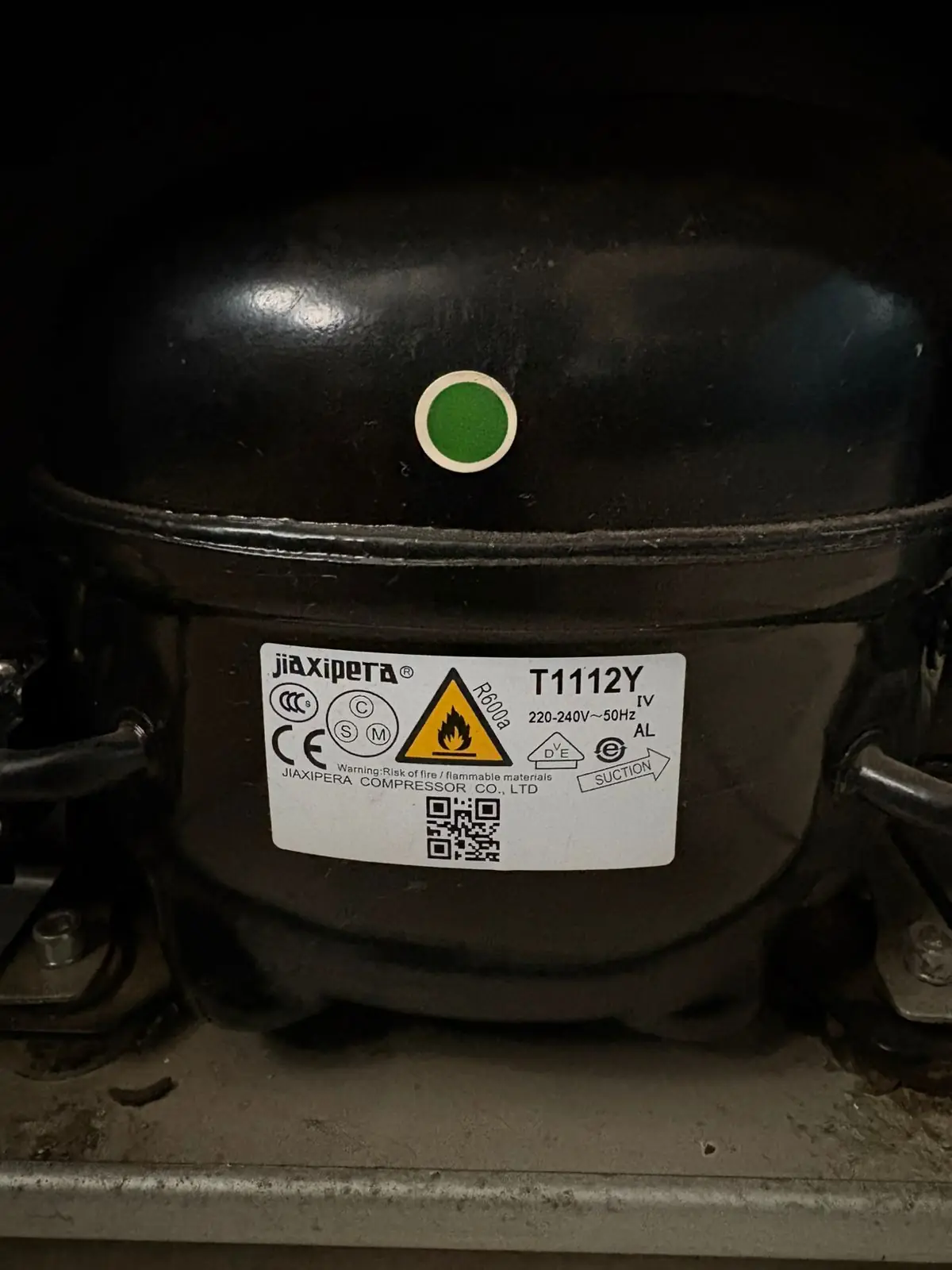
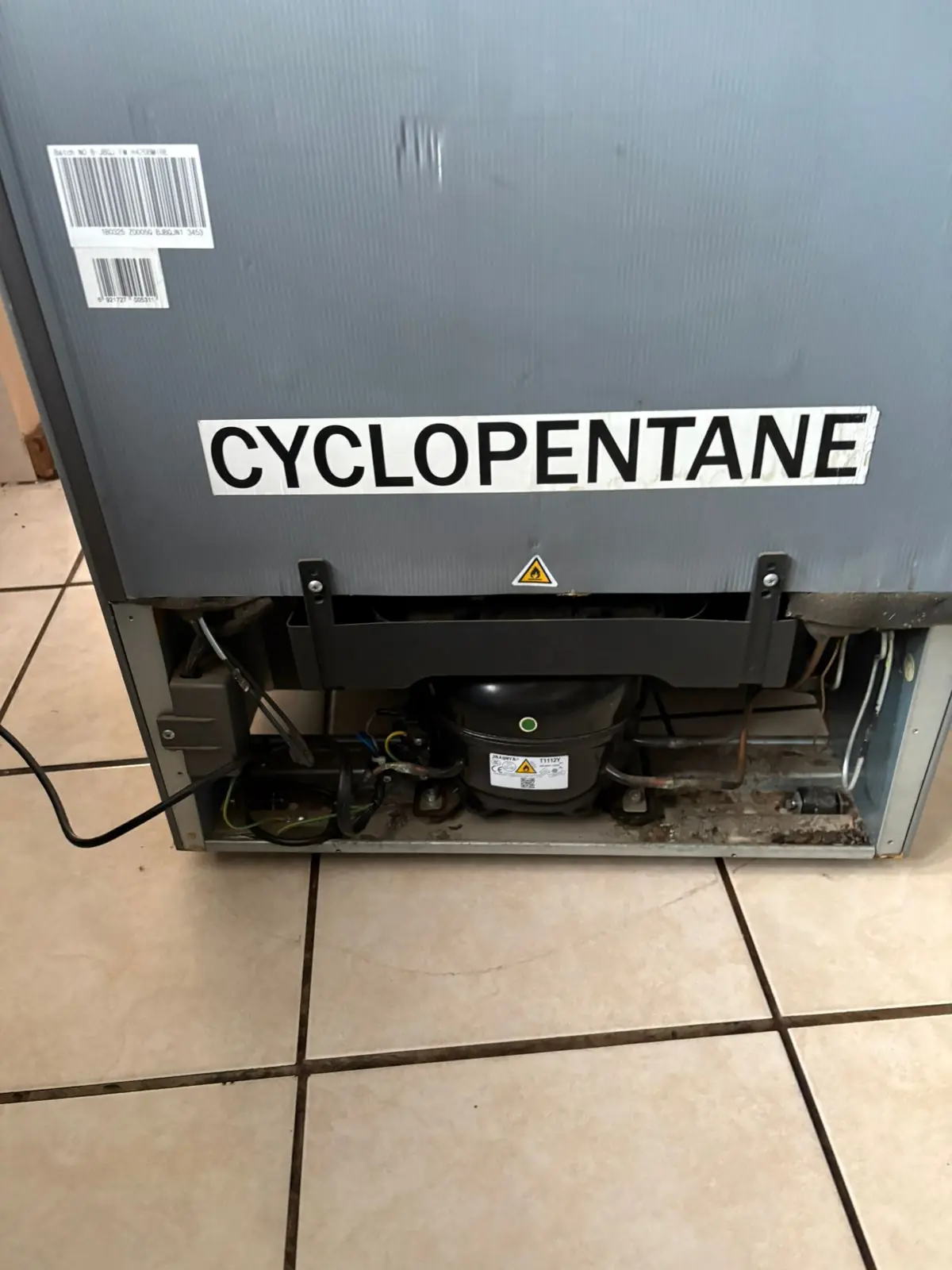
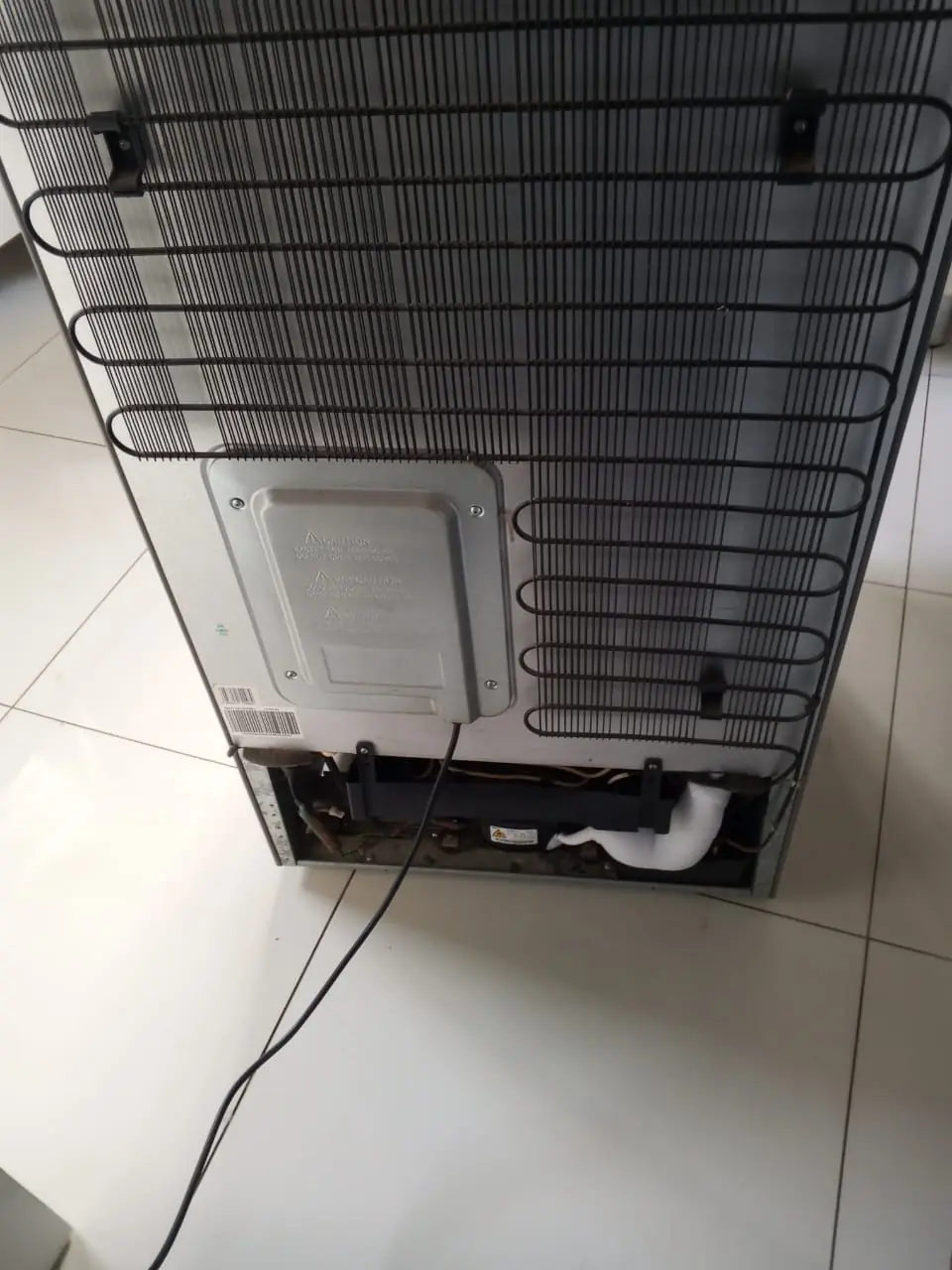
For Centurion, the diagnostic visit records the cabinet make, model, temperature pattern, condenser condition, evaporator airflow, controller readings, door sealing, drainage and electrical supply. We also confirm access to the compressor compartment and whether the cabinet can be safely isolated without disrupting surrounding operations.
Capacity, loading and airflow
Overloading a display cabinet or blocking return-air paths can cause warm shelves and continuous running even when the refrigeration system is healthy. We discuss stock depth, shelf positions, product loading and seasonal demand in Centurion. Where the cabinet is consistently overloaded, we explain whether operating changes, an additional unit or a different cabinet type would be more reliable than repeatedly repairing an undersized application.
Hygiene, drains and cleaning considerations
Display fridges need clean condensers, open drain channels, hygienic shelves and unobstructed air paths. We identify grease, dust, packaging and organic buildup that can reduce cooling or cause odours, while leaving food-safety decisions to the operator and applicable procedures.
Avoiding common repair mistakes
Common mistakes include adding refrigerant without leak testing, replacing a compressor before checking airflow, ignoring dirty condensers, bypassing controls and treating condensation as a sealed-system fault. Our checks focus on the actual cause because it affects temperature stability, energy use and repeat-failure risk.
Maintenance access during repair
The condenser, evaporator, controller, drain, electrical enclosure and compressor must be reachable for proper diagnosis. In Centurion, restricted yards, rooftops and service corridors can influence equipment placement. We plan safe access and protect stock, floors and customer areas while the cabinet is opened and tested.
Display fridge repair pricing
Pricing depends on the confirmed fault, cabinet type, parts required, refrigerant work, electrical repairs, access and testing time. We avoid quoting a final repair from one symptom alone because temperature loss can come from airflow, controls, doors, drainage or the sealed refrigeration circuit.
What happens after repair approval
After the repair scope is approved, required parts are fitted, electrical and refrigeration work is completed, and any opened sealed system is pressure-tested, evacuated and charged correctly. The cabinet is then monitored for temperature recovery, airflow, drainage and controller response.
Operating guidance after repair
Users are shown how to read the controller, keep air returns clear, avoid overloading shelves, manage door opening and report abnormal frost, water, noise or temperature changes. Good operating discipline protects the cabinet and helps faults get identified before products are endangered.