Homes and apartments
We assess domestic fridge-freezers, side-by-side units, bar fridges and selected integrated appliances. Access and ventilation around cabinetry are checked because restricted heat rejection can imitate a gas problem.
Fridge Regassing Midrand for homes, restaurants, retailers, offices and cold-chain businesses in Midrand. We provide leak-aware fridge regassing and cooling-system diagnosis, with practical fault assessment, clear repair or installation recommendations, and direct booking by phone or WhatsApp. Send the equipment type, symptoms, model details and photos on WhatsApp for faster preparation before attendance.
Fridge Regassing Midrand is appropriate only when testing supports a refrigerant shortage or sealed-system fault. Our process separates low gas from airflow, electrical, sensor, fan, defrost and compressor problems.
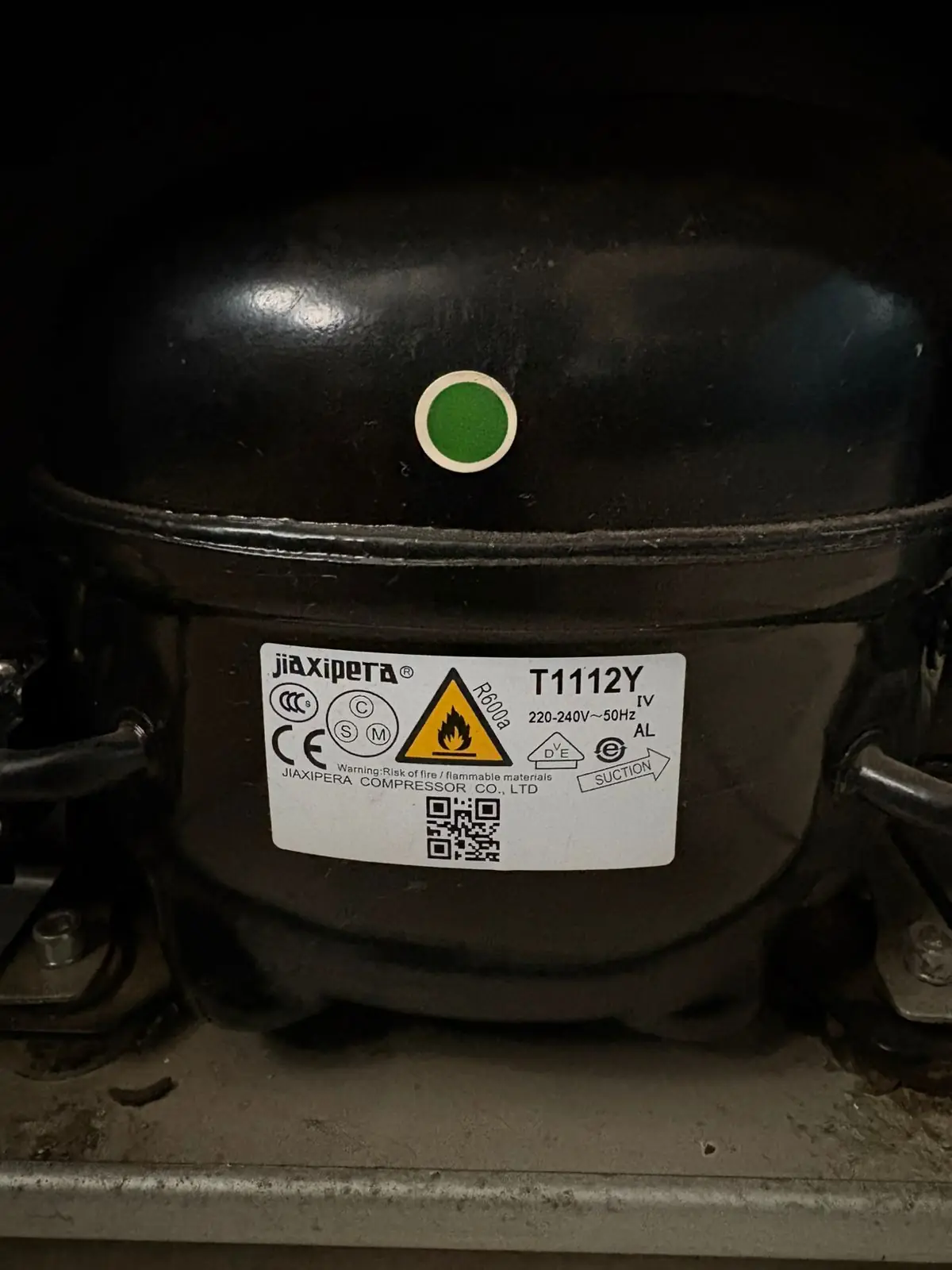
Household appliances vary widely: capillary systems, inverter compressors, multi-evaporator designs and electronically controlled models do not behave identically. Accurate identification of the refrigerant and charge specification matters, especially where flammable refrigerants are used. In Midrand, this assessment is applied to modern inverter fridges, office kitchen units and catering refrigeration, with the repair decision based on measurable evidence rather than assumptions.
Display cabinets, prep counters, beverage coolers and under-counter units often operate for long hours and may lose temperature quickly when a fault develops. Diagnosis considers condenser cleanliness, fan operation, door usage, product load and ambient heat before a refrigerant shortage is confirmed. In Midrand, this assessment is applied to modern inverter fridges, office kitchen units and catering refrigeration, with the repair decision based on measurable evidence rather than assumptions.
Keep doors closed, move vulnerable food to reliable cold storage and record the displayed temperature if possible. Businesses should separate high-risk products and follow their food-safety procedures. Repeatedly resetting a tripping or overheating unit can increase damage. In Midrand, this assessment is applied to modern inverter fridges, office kitchen units and catering refrigeration, with the repair decision based on measurable evidence rather than assumptions.
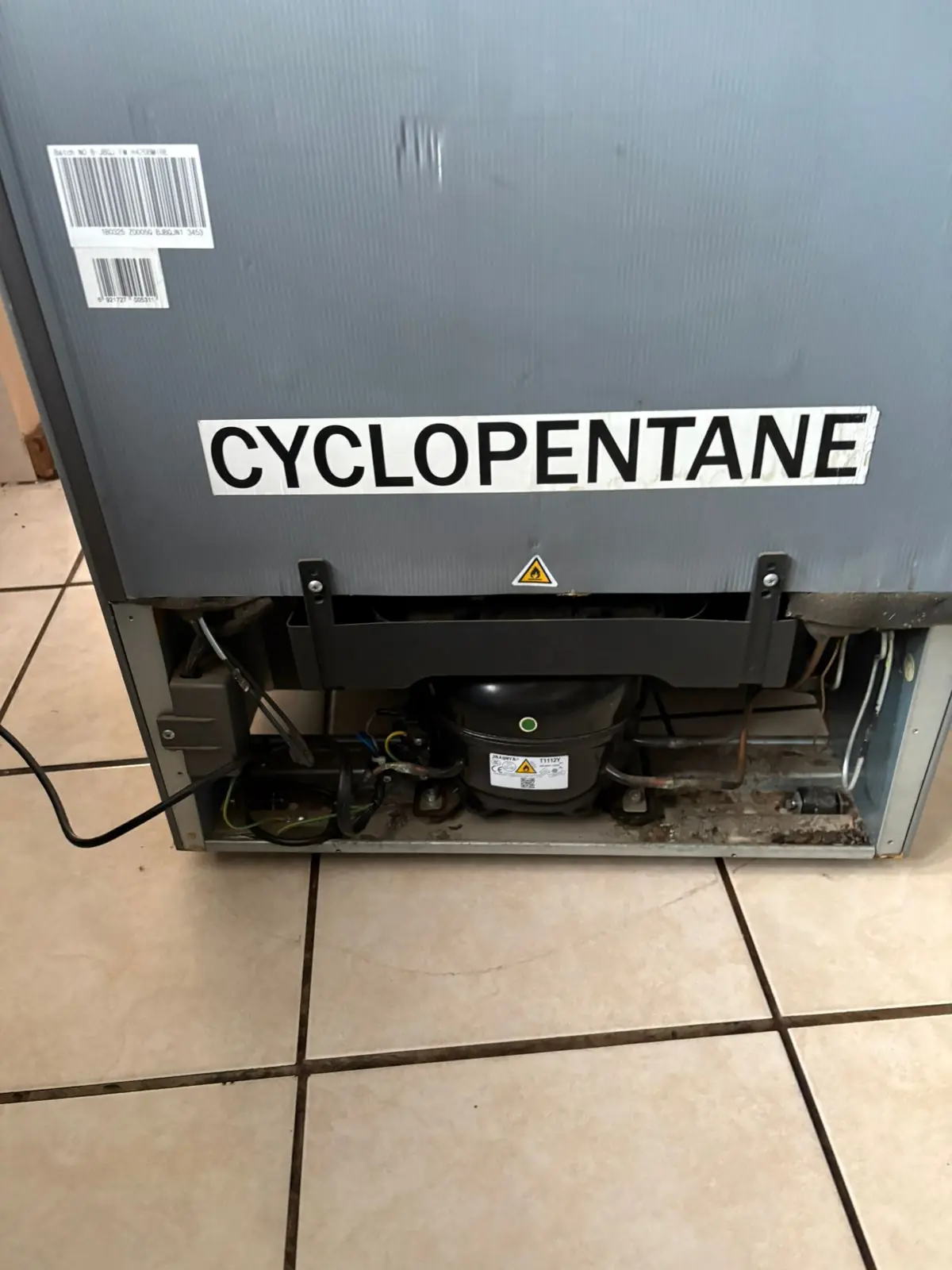
Different systems use different gases, oils, pressures and safety procedures. Refrigerants must not be mixed or substituted casually. The data plate, compressor information and service history help identify the correct approach, and flammable refrigerants require controlled tools and ignition precautions. In Midrand, this assessment is applied to modern inverter fridges, office kitchen units and catering refrigeration, with the repair decision based on measurable evidence rather than assumptions.
A fridge can show low pressure because the compressor is worn or because refrigerant flow is restricted. Current draw, discharge temperature, pressure behaviour and frost pattern help distinguish a leak from poor pumping or a blockage. Charging a weak compressor does not restore reliable cooling. In Midrand, this assessment is applied to modern inverter fridges, office kitchen units and catering refrigeration, with the repair decision based on measurable evidence rather than assumptions.
After sealed-system work, the unit needs time to pull down toward its normal temperature. The technician checks for stable operation, appropriate frost development, condenser heat rejection and signs of leakage. Customers are advised when to reload food and what changes to monitor. In Midrand, this assessment is applied to modern inverter fridges, office kitchen units and catering refrigeration, with the repair decision based on measurable evidence rather than assumptions.
Pressure, temperature and frost-pattern readings are considered together. A low suction condition alone is not enough because restrictions, poor airflow and a weak compressor can imitate a shortage. The technician compares observations with the appliance design and refrigerant specification before recommending sealed-system work. In Midrand, this assessment is applied to modern inverter fridges, office kitchen units and catering refrigeration, with the repair decision based on measurable evidence rather than assumptions.
Accessible joints, tubing, evaporator areas and service points are inspected for oil residue or physical damage. Depending on the system, testing may involve an electronic detector, controlled pressure, soap solution or isolation of sections. A charge should not be added repeatedly where an unresolved leak remains. In Midrand, this assessment is applied to modern inverter fridges, office kitchen units and catering refrigeration, with the repair decision based on measurable evidence rather than assumptions.
After an approved repair, the system is evacuated to remove air and moisture. Refrigerant is then introduced using the specified type and quantity or an appropriate charging method for the equipment. Moisture, mixed gases, overcharging and undercharging can all reduce performance and shorten compressor life. In Midrand, this assessment is applied to modern inverter fridges, office kitchen units and catering refrigeration, with the repair decision based on measurable evidence rather than assumptions.
In Midrand, calls commonly come from new residential estates, office parks, catering kitchens and distribution facilities. The local service pattern is estate and business-park, so diagnosis must account for modern inverter fridges, office kitchen units and catering refrigeration.
Service coverage includes Halfway House, Carlswald, Noordwyk, Waterfall and Glen Austin. Booking information should mention estate access, loading zones and rapidly developing commercial sites; this helps the team plan access and bring suitable diagnostic equipment.
Properties in Midrand range from domestic kitchens to commercial premises. A household fridge with a slow temperature rise is assessed differently from a display unit losing stock temperature during trading hours.
Hot Gauteng weather, restricted condenser ventilation and frequent door opening can increase refrigeration load in Midrand. These conditions can expose an existing weakness without proving that refrigerant is low.
We assess domestic fridge-freezers, side-by-side units, bar fridges and selected integrated appliances. Access and ventilation around cabinetry are checked because restricted heat rejection can imitate a gas problem.
Restaurants, guest facilities and retailers need clear temperature information and a practical stock-protection plan. Commercial urgency is assessed from product risk, cabinet temperature and backup capacity.
Refrigerant type, oil compatibility, flammability and working pressure influence the tools and procedure. Gas is never treated as a universal product that can be added interchangeably.
A typical booking might involve a fridge that still runs, sounds normal and produces some cooling, but can no longer hold a safe temperature. In Midrand, the first task is to establish how quickly the temperature changed, whether the freezer and fresh-food compartments are affected equally, and whether there was recent movement, electrical work or previous refrigeration service. The technician then checks airflow, door sealing, condenser condition and electronic controls before connecting sealed-system instruments.
If readings and frost distribution support a refrigerant shortage, the next question is where the refrigerant escaped. Accessible pipe joints, service valves and external coils can often be evaluated directly. A leak hidden in cabinet insulation or a corroded internal evaporator presents a different economic decision. The customer receives an explanation of the likely repair life, not simply a promise that adding gas will solve every cooling problem.
After an approved repair, evacuation removes air and moisture that would otherwise interfere with heat transfer and oil stability. The specified refrigerant is charged carefully, and the appliance is monitored as temperatures begin to recover. For new residential estates, office parks, catering kitchens and distribution facilities, the return-to-service plan also considers food handling, trading activity and how long the cabinet needs before it is safely reloaded.
A severely worn compressor, inaccessible cabinet leak, contaminated system, extensive corrosion or unavailable component can make regassing poor value. A refrigerator that has been repeatedly topped up without leak repair may also require more extensive cleaning and testing. We explain these limitations before approved work proceeds.
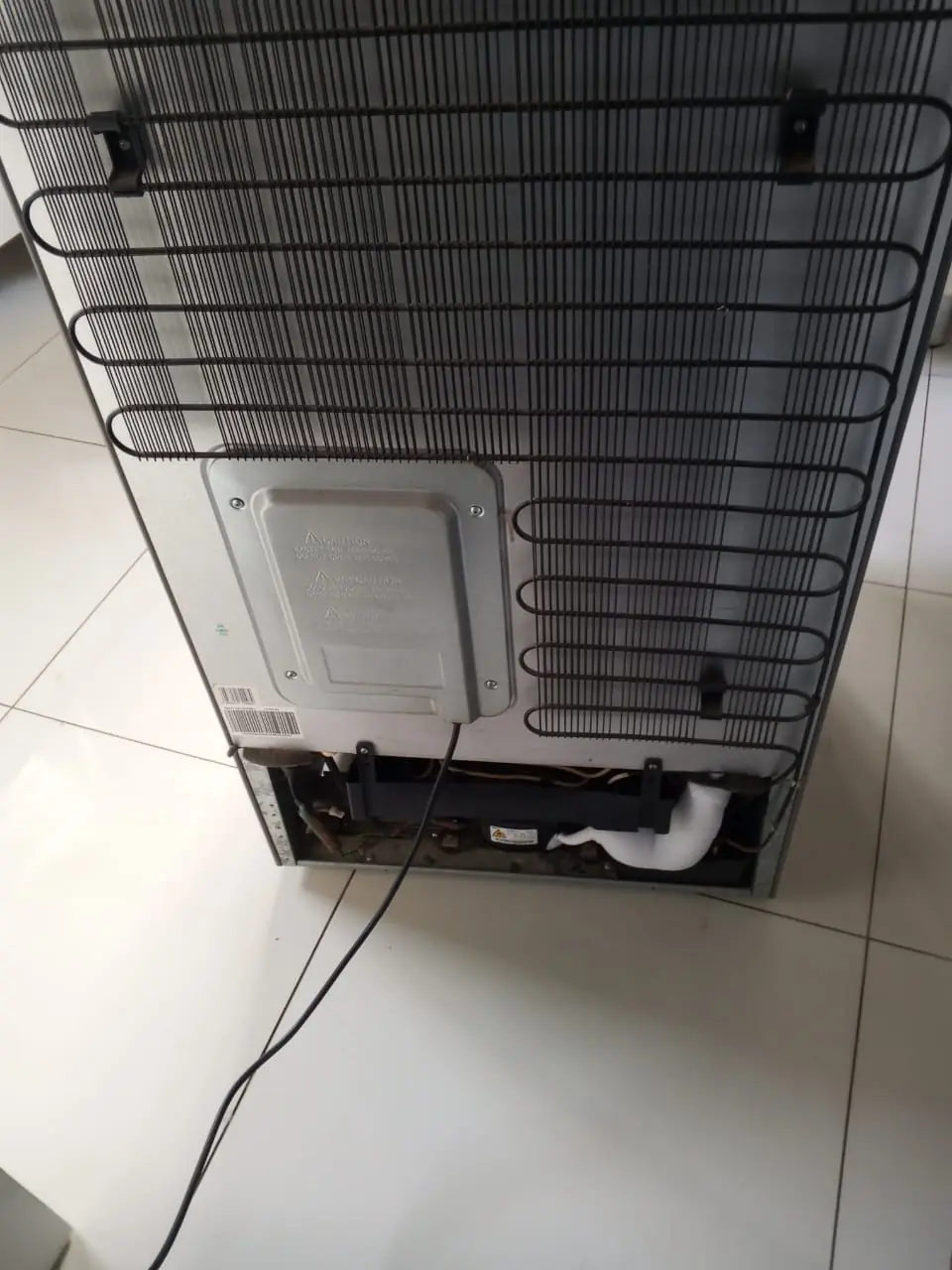
Provide the exact Midrand address, appliance type, brand, model number where available, current temperatures, how long the fault has been present, and whether anyone has previously opened the refrigeration system. Clear photographs of the data plate, display, frost pattern and rear compartment can improve preparation.
For the main service explanation, see Fridge Regassing Johannesburg. Related support includes commercial refrigeration repairs, cold-room repairs and freezer repairs.
Many domestic and light-commercial jobs can be assessed on site. Some complex leak repairs may require additional equipment, workshop work or replacement parts.
Some refrigerants are flammable, operate at high pressure or can displace oxygen. Sealed-system work should be handled with suitable tools and safe procedures.
Only when the noise is related to a sealed-system condition. Fan blades, mounts, ice, relays and worn compressors can also produce noise and need separate diagnosis.
Send the exact suburb, appliance type, brand, model if visible, symptoms, any error code and photographs of the data plate or rear compartment where safe.
Attendance depends on route availability and the equipment. Provide temperatures, stock risk, access arrangements and trading hours so the urgency can be assessed.
A partial frost pattern can indicate low charge, restriction or airflow conditions. Pressure and temperature testing is needed before deciding on a repair.



Send the appliance type, brand, exact address and symptoms. Requests are delivered to both booking addresses.
Call or WhatsApp: +27 79 976 2941
Explore related refrigeration services and practical customer guides before you book.
Practical service information, next steps and booking guidance.
Practical service information, next steps and booking guidance.
Practical service information, next steps and booking guidance.
Practical service information, next steps and booking guidance.
Practical service information, next steps and booking guidance.
Practical service information, next steps and booking guidance.