Undercounter machines
Compact self-contained units suit selected bars, cafés and kitchens when airflow, counter dimensions, drainage and service clearances are properly planned.
Ice Machine Installation Roodepoort for homes, restaurants, retailers, offices and cold-chain businesses in Roodepoort. We provide ice-machine sizing, water, drainage, electrical setup and commissioning, with practical fault assessment, clear repair or installation recommendations, and direct booking by phone or WhatsApp. Send the equipment type, symptoms, model details and photos on WhatsApp for faster preparation before attendance.
Ice Machine Installation Roodepoort begins with a production brief and site survey. We then coordinate the machine, bin, utilities, ventilation and service access as one system.
We estimate daily ice demand by service type, peak trading period, operating hours, storage-bin capacity and recovery time. A bar, hotel breakfast operation, event venue and hospital kitchen may all need different production margins even when their average daily consumption looks similar. We also consider whether ice is used only in beverages or for food display, preparation and product cooling.
For Roodepoort, the water route should be kept practical and accessible. Long concealed pipe runs can reduce pressure, complicate leak detection and make filter servicing difficult. We prefer clearly isolated connections and documented shut-off points.
Incoming water pressure, pipe diameter, shut-off access, filtration and local mineral conditions influence production quality and machine life. We specify an accessible isolation valve, suitable filter arrangement and drain connection so routine cleaning and service do not disrupt the entire premises. Where scale risk is high, the maintenance plan must be considered before commissioning.
Where mixed hospitality demand and seasonal event activity is important, the storage bin and recovery profile deserve as much attention as the machine’s quoted daily output. We discuss opening stock, rush periods and overnight production so operators understand what capacity is genuinely available.
Air-cooled machines require enough clearance and cool replacement air around the condenser. Installing a unit in an enclosed hot cupboard can reduce output, increase energy use and shorten component life. Remote or water-cooled options may be considered where ambient heat, noise or plant-space restrictions make a standard self-contained unit unsuitable.
Because long water routes, mixed building ages and outdoor condenser exposure can affect the project, we verify doorway dimensions, lift availability, loading rules and the route from delivery point to final position. This protects finishes and avoids ordering equipment that cannot be moved safely into place.
Ice-machine drains should fall correctly, resist backflow and remain accessible for cleaning. The machine must be positioned so filters, pumps, evaporators, bins and condensers can be reached without dismantling cabinetry. Hygienic clearances and cleanable surfaces are planned because ice is handled as a food product.
Businesses such as guesthouses, pubs, restaurants, event suppliers and neighbourhood retailers also need a cleaning plan that fits their operating schedule. We position filters, access panels and drains so routine sanitation can be performed without closing large parts of the premises.
Roodepoort installations commonly support guesthouses, pubs, restaurants, event suppliers and neighbourhood retailers. The local demand pattern often involves mixed hospitality demand and seasonal event activity, so capacity and storage should be checked against peak service rather than average daily use.
The service region includes Florida, Constantia Kloof, Ruimsig and Wilgeheuwel. Site planning may need to account for long water routes, mixed building ages and outdoor condenser exposure. We request this information before attendance so access, lifting, connection and commissioning requirements are not discovered too late.
We can assess undercounter machines, modular ice heads with separate storage bins and selected cube, flake or nugget systems. Final equipment selection depends on output, ice type, available utilities, heat rejection and the hygiene needs of the operation.
Compact self-contained units suit selected bars, cafés and kitchens when airflow, counter dimensions, drainage and service clearances are properly planned.
Separate ice heads and storage bins support larger output and allow capacity to be matched to busy hospitality, catering and institutional operations.
Water paths, filters, bin surfaces and drainage are checked before handover so the first production cycles begin under controlled hygienic conditions.
For guesthouses, pubs, restaurants, event suppliers and neighbourhood retailers in Roodepoort, we model opening stock, peak service consumption, production between rush periods and the effect of seasonal heat. The calculation includes mixed hospitality demand and seasonal event activity. This helps determine whether the project needs a compact undercounter machine, a modular head with a separate bin, or staged capacity that can remain useful as the operation grows. We also discuss how much reserve ice the business needs when cleaning, filter replacement or an unexpected interruption temporarily reduces production.
Water treatment for an installation serving Florida, Constantia Kloof, Ruimsig and Wilgeheuwel must be practical to maintain. We inspect pressure, pipe size, sediment risk, taste, odour and mineral scale, then locate the filter and isolation valve where staff or technicians can reach them. A hidden cartridge that cannot be changed on schedule quickly becomes a liability. We also allow space for sanitising the water circuit and bin without contaminating nearby food-preparation surfaces.
The proposed utilities in Roodepoort are checked before equipment is ordered. Water, drainage, power and ventilation should reach the machine without unsafe extensions, flat drain runs or inaccessible joints. Where long water routes, mixed building ages and outdoor condenser exposure affects the site, connection points are coordinated with the property manager, electrician, plumber or shopfitter. This reduces last-minute alterations and ensures the machine can be isolated for future service without shutting down unrelated areas.
Ice machines reject heat while freezing water, so the installation position must remain within suitable ambient limits. For Roodepoort premises, we check cooking heat, direct sunlight, enclosed cabinetry, roof or yard conditions and the possibility of warm condenser air recirculating. When the normal plant position would be too hot or noisy, we discuss remote-condensing or alternative ventilation arrangements rather than accepting permanently reduced output.
Delivery planning is especially important where the project involves long water routes, mixed building ages and outdoor condenser exposure. We confirm doorway and lift dimensions, floor level, turning space, loading rules and the safe route to the final position. Modular heads and storage bins may arrive as separate heavy components. Protecting finishes, avoiding unsafe lifting and ensuring the selected model physically fits the route are part of the installation assessment—not matters left until delivery day.
At handover in Roodepoort, staff are shown how normal fill, freeze, harvest and bin-control cycles behave. We explain daily cleaning, scoop storage, bin sanitation, filter intervals, condenser care and the warning signs of restricted water flow or abnormal cycle time. Because ice is consumed as food, hygiene responsibilities are documented clearly. The operator should know which tasks are safe internally and which require a refrigeration technician.
Operations exposed to mixed hospitality demand and seasonal event activity need a realistic contingency plan. We discuss the amount of reserve ice that can be stored safely, whether nearby equipment can provide limited backup and how the business should respond if water, power or drainage fails. The aim is not to promise that equipment never stops; it is to design capacity, access and operating procedures so one fault does not create unnecessary disruption or unsafe ice handling.
Lifecycle value depends on serviceability. In Roodepoort, we leave practical access to filters, condenser surfaces, pumps, sensors, drains and removable panels. We record model details and recommended cleaning intervals, and we advise against cabinetry or stock placement that later blocks airflow. A well-positioned machine may cost less to own because routine maintenance is quicker, faults are found earlier and major components are not forced to operate under heat or scale stress.
See the main Ice Machine Installation Johannesburg hub. Related services include ice machine repairs, commercial refrigeration repairs, cold room installation, walk-in freezer installation and refrigerant leak diagnosis.
Capacity should be based on peak daily demand, recovery time and storage—not floor area alone. We assess the operation and recommend a production margin rather than guessing from average consumption.
Yes, a reliable potable-water connection with an accessible shut-off valve is normally required. Filtration is strongly recommended and may be essential where sediment, taste or scale is present.
Only models designed for undercounter use should be enclosed, and the manufacturer’s ventilation clearances must be maintained. Cabinetry must not block condenser airflow or service panels.
We check fill, freeze, harvest, bin control, drainage, leaks, electrical operation and repeat-cycle stability before handover.
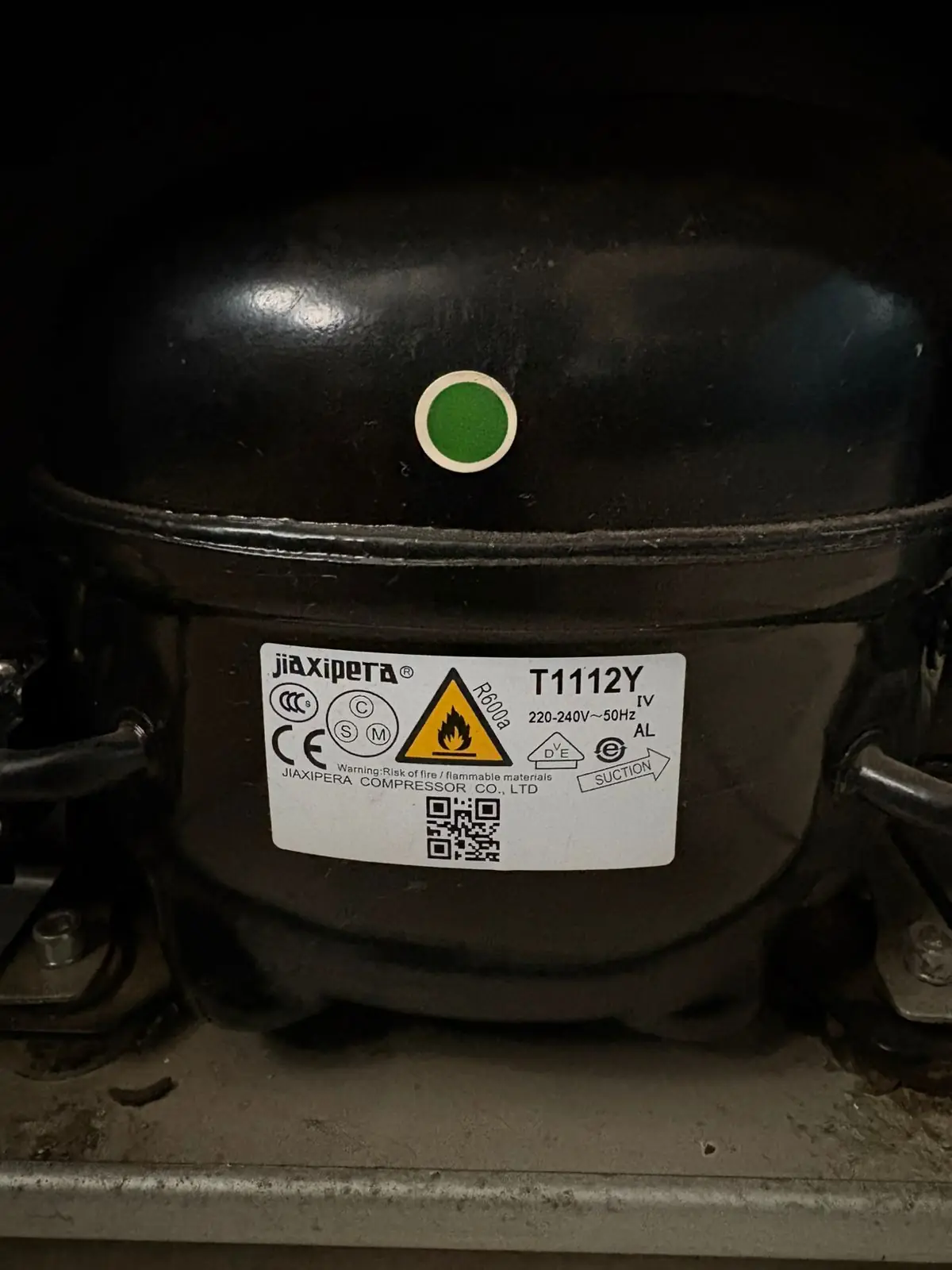
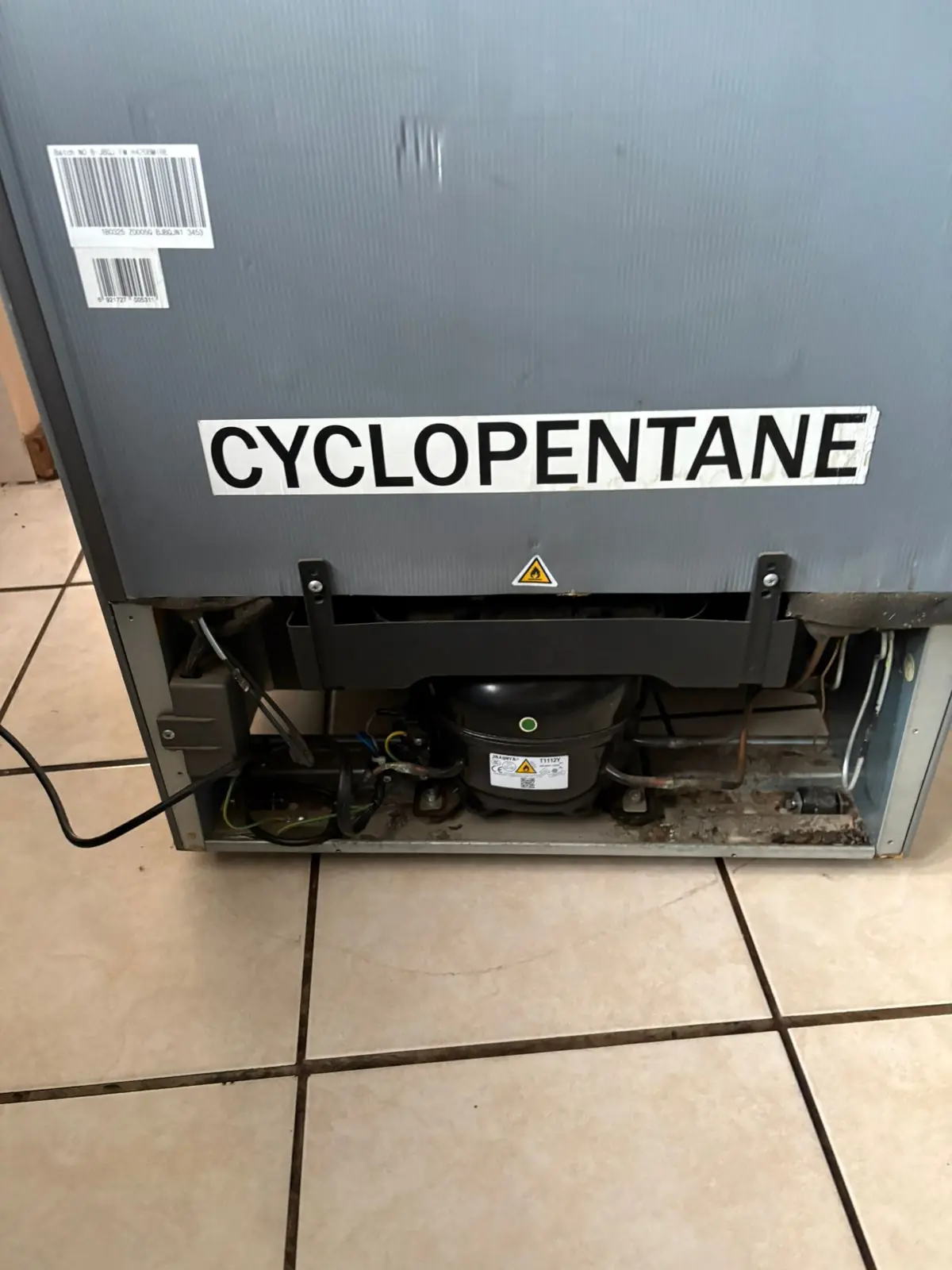


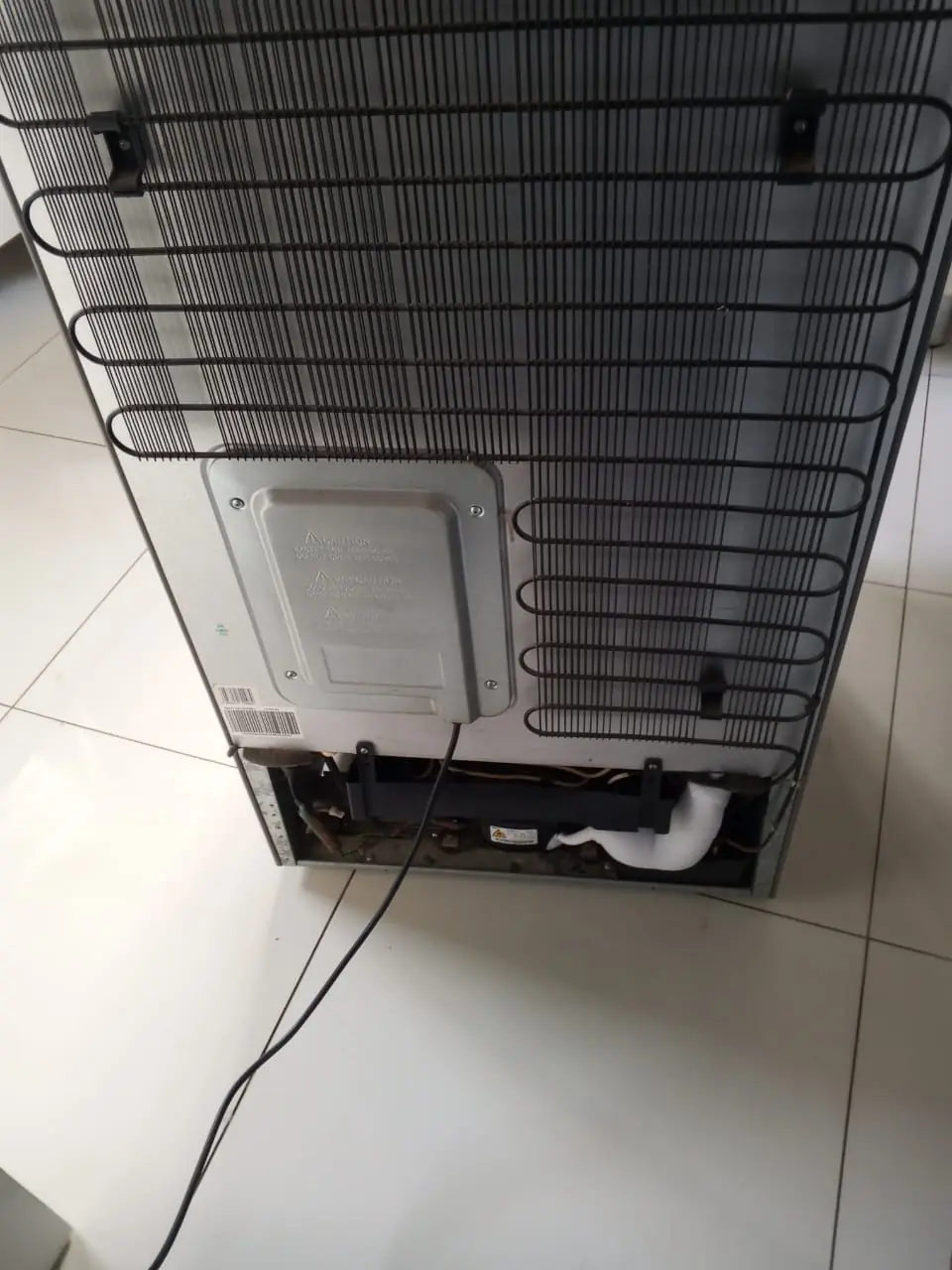

A quotation for Ice Machine Installation Roodepoort is most reliable when the proposed machine position and utilities are documented clearly. We ask for photographs, approximate distances to water and drainage, electrical-board information, access restrictions and the expected commissioning date. Where building work is still underway, we can identify connection requirements early so plumbers, electricians and shopfitters prepare the correct points before equipment arrives.
Before final handover in Roodepoort, the operator should nominate staff responsible for cleaning, filter changes and daily visual checks. We recommend recording the machine model, filter type, installation date and normal cycle performance. These simple records make future fault reporting more accurate and help distinguish a genuine technical problem from reduced output caused by heat, blocked airflow, poor water supply or overdue maintenance.
Send the business type, expected ice demand, preferred ice type, proposed position, water and drainage details, electrical supply and site photographs.
Explore related refrigeration services and practical customer guides before you book.
Practical service information, next steps and booking guidance.
Practical service information, next steps and booking guidance.
Practical service information, next steps and booking guidance.
Practical service information, next steps and booking guidance.
Practical service information, next steps and booking guidance.
Practical service information, next steps and booking guidance.