Chilled rooms
For beverages, dairy, produce, prepared food and other chilled stock, we select equipment and controls for stable positive temperatures and practical recovery after door opening.
Walk-In Freezer Repairs Soweto for homes, restaurants, retailers, offices and cold-chain businesses in Soweto. We provide walk-in freezer diagnosis, defrost repair and temperature recovery, with practical fault assessment, clear repair or installation recommendations, and direct booking by phone or WhatsApp. Send the equipment type, symptoms, model details and photos on WhatsApp for faster preparation before attendance.
Walk-In Freezer Repairs Soweto starts with the intended products, temperature, stock movement and operating schedule. We then assess the room envelope, plant capacity, service access and controls as one coordinated system.
Chilled rooms, freezer rooms and preparation rooms have different insulation, floor and defrost needs. We confirm the intended products, loading pattern, maximum stock and recovery time before finalising the design.
Condensing equipment requires clean airflow and maintainable clearance. Rooftop, yard and indoor plant positions are assessed for heat recirculation, weather exposure, noise, security and safe technician access.
Controllers, probes, door switches and alarms are positioned for accurate sensing and practical operation. Where continuity is critical, remote monitoring and high-temperature alerts can be incorporated into the specification.
For Soweto, the survey records room position, surrounding temperatures, wall and floor construction, available power, drainage, delivery access and the route for refrigeration pipework. We also confirm who supplies shelving, lighting, floor finishes, builders work and backup power. Clear scope boundaries prevent delays and help quotations remain comparable.
A room sized only for today can become restrictive when the business grows. We discuss likely stock volumes, delivery frequency and seasonal peaks in Soweto. Where future expansion is realistic, plant placement, electrical allowance and room layout can be planned so later changes are less disruptive.
Food premises need surfaces, joints, drains and shelving arrangements that can be cleaned without trapping moisture or contaminants. The exact hygiene specification depends on the products and regulatory requirements. We explain which elements form part of our refrigeration scope and which require specialist building or food-safety input.
Common failures include undersized plant, poor condenser ventilation, unsealed panel joints, incorrect drain falls, weak door hardware, uninsulated suction lines and probes positioned in direct airflow. Our checks focus on these details because they affect temperature stability, electricity use and maintenance cost.
Equipment should remain reachable for coil cleaning, electrical testing, fan replacement, leak inspection and compressor work. In Soweto, restricted yards, rooftops and service corridors can influence equipment placement. We avoid designs that achieve a neat appearance but make routine maintenance unsafe or expensive.
Pricing depends on dimensions, temperature, panel thickness, floor specification, doors, refrigeration capacity, controls, electrical work, drainage, pipe distance and access. We do not quote an engineered installation from room dimensions alone. A survey and written scope provide a more dependable basis for budgeting.
After scope approval, materials and equipment are scheduled, site preparation is confirmed and installation dates are coordinated. The room is assembled, refrigeration and electrical components are installed, the system is pressure-tested and evacuated, controls are configured, and performance is verified before handover.
Users are shown how to read the controller, recognise alarm conditions, keep evaporator airflow clear, manage door opening and report abnormal frost, noise or temperature changes. Good operating discipline protects the installation and helps faults get identified before stock is endangered.
In Soweto, we commonly plan installations for taverns, takeaways, supermarkets, caterers and community businesses.
Coverage includes Diepkloof, Orlando, Dobsonville and Protea Glen.
Planning accounts for high stock turnover, power instability and urgent continuity needs.
The repair scope is confirmed only after the intended stock, target temperature, room dimensions, loading pattern and electrical conditions are understood.
For beverages, dairy, produce, prepared food and other chilled stock, we select equipment and controls for stable positive temperatures and practical recovery after door opening.
Low-temperature rooms need stronger insulation, suitable flooring, vapour control, defrost planning and doors designed to resist icing and heat leakage.
Where stock loss would be serious, the design can consider alarms, monitoring, redundancy options and practical access for emergency service.
See the main Walk-In Freezer Repairs Johannesburg service page. We also provide cold room repairs, commercial refrigeration repairs, freezer repairs and fridge regassing.
Many chilled rooms benefit from floor insulation, while freezer rooms normally require a properly engineered insulated floor and measures to prevent frost heave. The answer depends on temperature and building construction.
Usually, with planning. We agree access, noise, dust, stock protection and shutdown requirements so disruption is controlled.
Yes. Generator or inverter compatibility, restart behaviour and critical load priorities can be considered during design, although backup equipment itself may be a separate scope.
Efficiency depends on correct sizing, insulation, door discipline, controls, condenser airflow and maintenance. We design these elements together rather than relying on one efficient component.
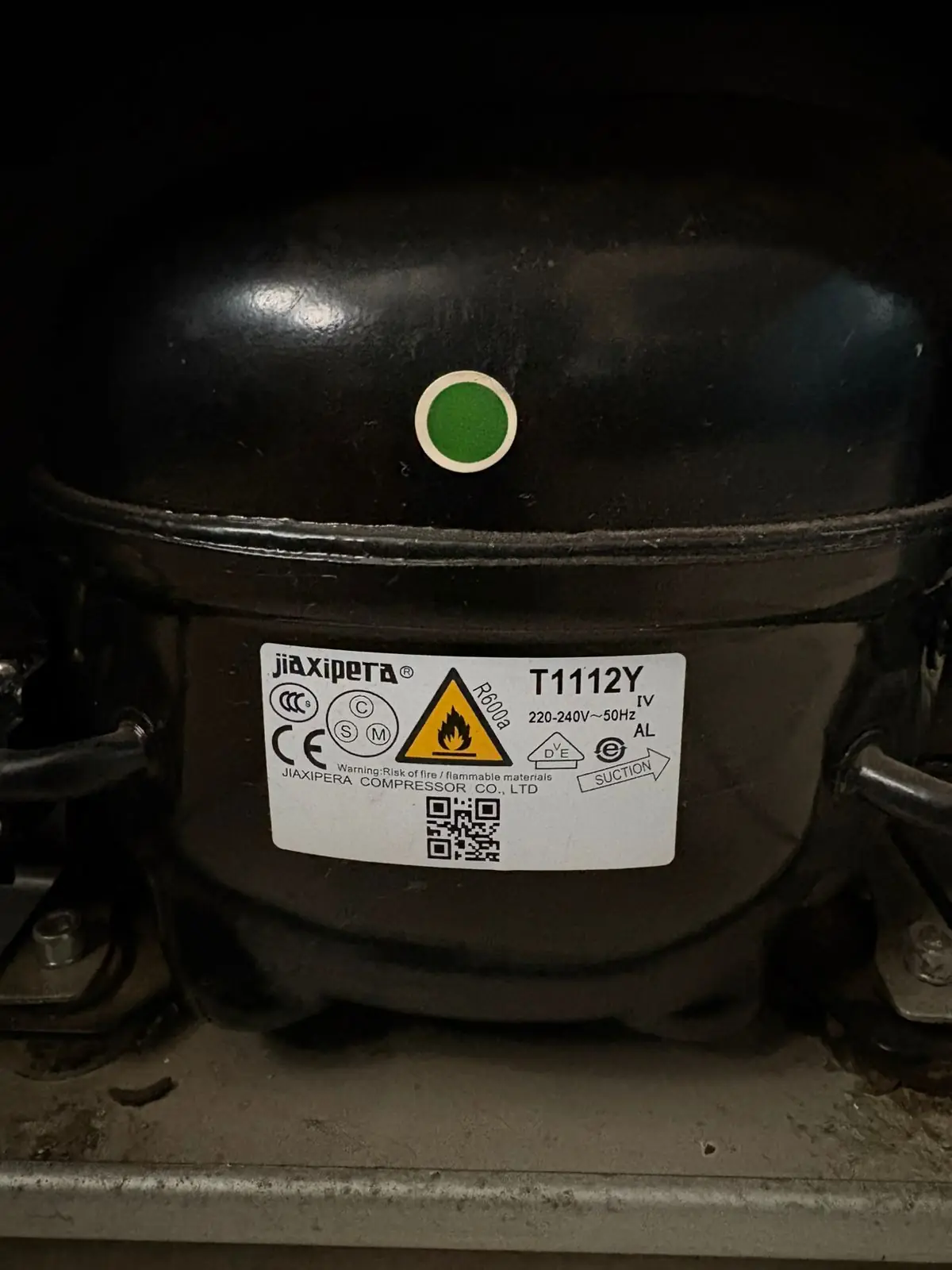
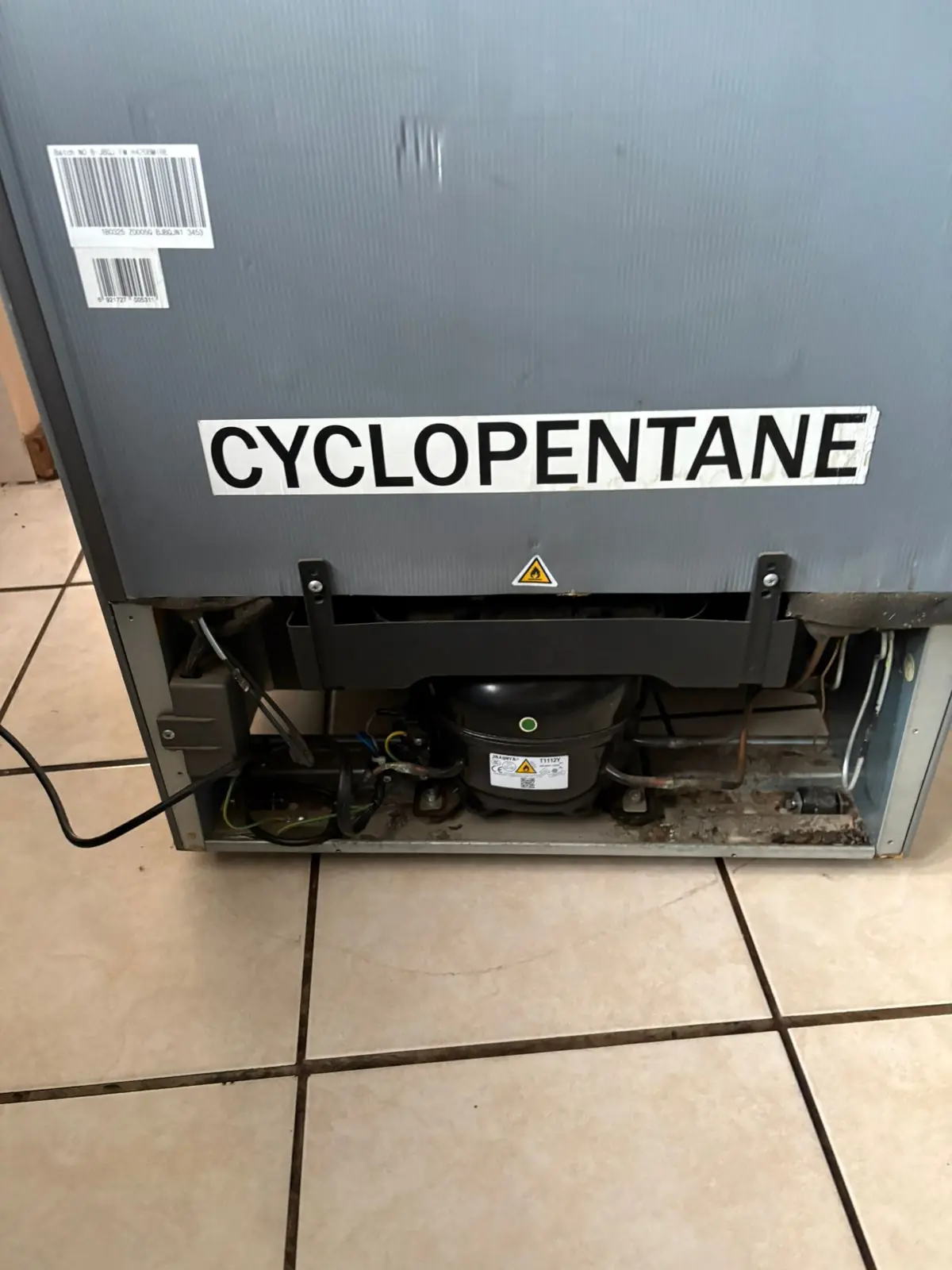


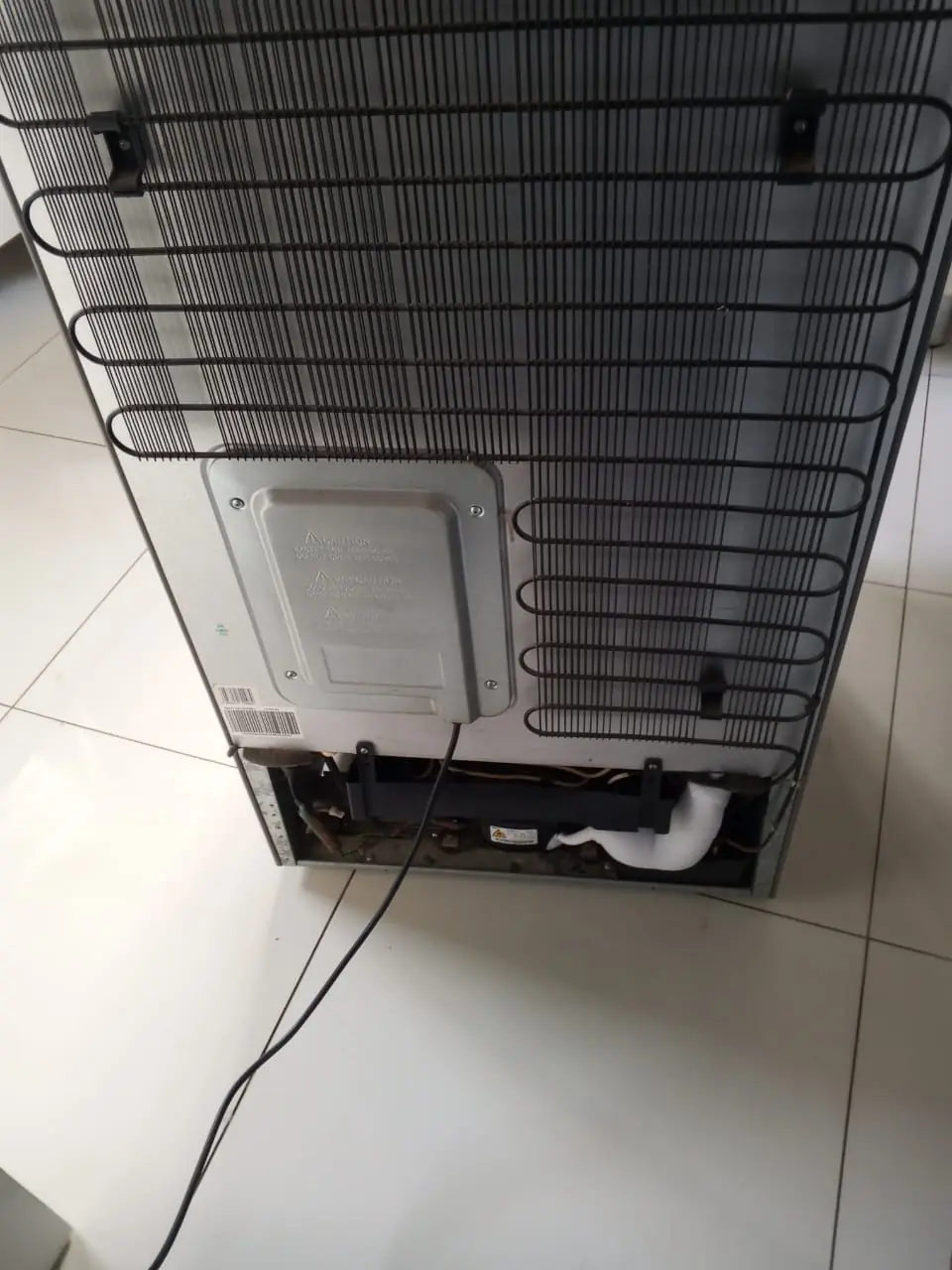

Walk-in freezer repairs in Soweto must reflect the way local taverns, supermarkets, caterers, takeaways and community businesses use their rooms. Across Diepkloof, Orlando, Dobsonville and Protea Glen, our planning accounts for heavy trading cycles, power interruptions and urgent stock-protection needs. The following checks show how we approach faults methodically instead of guessing from one symptom.
For Soweto call-outs, Low refrigerant is evidence of leakage, not normal consumption. Pressure readings are interpreted with temperatures, superheat, subcooling and equipment design. Where leakage is suspected, accessible joints, coils and pipework are tested before repair, evacuation and accurate charging are considered. This is especially relevant around Diepkloof, where heavy trading cycles, power interruptions and urgent stock-protection needs can affect how the equipment is accessed, tested and returned to service.
For Soweto call-outs, Cold air must circulate around stock and return to the evaporator. Failed fans, iced coils, blocked guards and overloaded shelving create warm pockets even while the controller appears satisfied. We inspect fan operation and advise on loading clearances that support even temperature distribution. This is especially relevant around Orlando, where heavy trading cycles, power interruptions and urgent stock-protection needs can affect how the equipment is accessed, tested and returned to service.
For Soweto call-outs, Defrost faults may come from heaters, hot-gas controls, timers, probes, relays, drainage or programming. We check whether defrost starts, terminates and drains correctly, then confirm that refrigeration resumes without excessive steam or refreezing around the coil. This is especially relevant around Dobsonville and Protea Glen, where heavy trading cycles, power interruptions and urgent stock-protection needs can affect how the equipment is accessed, tested and returned to service.
For Soweto call-outs, During a failure, staff need a clear plan. We advise limiting door opening, recording temperatures, separating vulnerable stock and arranging alternative storage where required. Food-safety and product-release decisions remain the responsibility of the operator and applicable procedures. This is especially relevant around Diepkloof, where heavy trading cycles, power interruptions and urgent stock-protection needs can affect how the equipment is accessed, tested and returned to service.
For Soweto call-outs, A repair is not complete when a component starts. We observe pull-down, pressures, current, fan operation, controller response and door sealing. Where practical, we confirm that the room moves toward its target under realistic operating conditions and explain what the client should monitor afterward. This is especially relevant around Orlando, where heavy trading cycles, power interruptions and urgent stock-protection needs can affect how the equipment is accessed, tested and returned to service.
For Soweto call-outs, Planned maintenance should address condenser cleaning, electrical terminals, fans, drains, doors, controls, insulation and refrigerant indicators. The purpose is to identify deterioration before it becomes an overnight temperature event or an emergency compressor failure. This is especially relevant around Dobsonville and Protea Glen, where heavy trading cycles, power interruptions and urgent stock-protection needs can affect how the equipment is accessed, tested and returned to service.
For Soweto call-outs, Safe repair depends on reaching the evaporator, condensing unit, isolators and controls without damaging stock or disrupting operations unnecessarily. We plan isolation, ladder or roof access, work-area protection and return-to-service checks around the site’s actual operating constraints. This is especially relevant around Diepkloof, where heavy trading cycles, power interruptions and urgent stock-protection needs can affect how the equipment is accessed, tested and returned to service.
For Soweto call-outs, We compare the controller reading with independent probe measurements at the return air, supply air and representative product level. This separates a genuine refrigeration failure from a probe-position, calibration or airflow problem. The investigation also considers recent stock loading and door activity because a busy freezer can display rising temperatures even when individual components still run. This is especially relevant around Orlando, where heavy trading cycles, power interruptions and urgent stock-protection needs can affect how the equipment is accessed, tested and returned to service.
For Soweto call-outs, Ice location matters. Frost restricted to the evaporator inlet suggests a different fault from a coil buried uniformly in ice, a frozen drain or heavy frost around the doorway. We inspect defrost heaters, termination controls, fans, drains, door seals and moisture entry before deciding which parts require attention. This is especially relevant around Dobsonville and Protea Glen, where heavy trading cycles, power interruptions and urgent stock-protection needs can affect how the equipment is accessed, tested and returned to service.
For Soweto call-outs, A compressor that hums, trips or runs continuously is not replaced on sound alone. We test supply voltage, current draw, winding condition, start components, contactors, overloads and operating pressures. This prevents a control, fan or heat-rejection problem from being mistaken for compressor failure. This is especially relevant around Diepkloof, where heavy trading cycles, power interruptions and urgent stock-protection needs can affect how the equipment is accessed, tested and returned to service.
For Soweto call-outs, Outdoor and plant-room condensers must reject heat freely. Grease, dust, blocked fins, failed fans and recirculated hot air raise condensing pressure and electricity use. We assess coil condition, fan direction, ventilation clearance and ambient temperature before evaluating refrigerant charge. This is especially relevant around Orlando, where heavy trading cycles, power interruptions and urgent stock-protection needs can affect how the equipment is accessed, tested and returned to service.
For Soweto call-outs, Damaged gaskets, weak closers, misaligned doors and failed panel joints introduce warm moist air. That moisture becomes frost and lengthens compressor run time. We inspect the threshold, frame heater, pressure-relief port, panel seams and floor junctions, not only the visible rubber seal. This is especially relevant around Dobsonville and Protea Glen, where heavy trading cycles, power interruptions and urgent stock-protection needs can affect how the equipment is accessed, tested and returned to service.
Send the proposed size, target temperature, products, operating hours and site photographs. We use these details to prepare the correct survey and installation discussion.
Explore related refrigeration services and practical customer guides before you book.
Practical service information, next steps and booking guidance.
Practical service information, next steps and booking guidance.
Practical service information, next steps and booking guidance.
Practical service information, next steps and booking guidance.
Practical service information, next steps and booking guidance.
Practical service information, next steps and booking guidance.